Hey there! I’m a supplier of preservatives and biocides, and I’ve been in this industry for quite a while. One question that often comes up is, "What are the effects of preservatives and biocides on the texture of products?" Well, let’s dive right in and explore this topic. Preservatives & Biocides
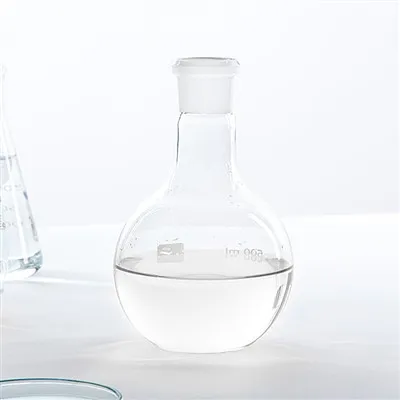
First off, let’s understand what preservatives and biocides are. Preservatives are substances that are added to products to prevent the growth of microorganisms like bacteria, fungi, and yeast. Biocides, on the other hand, are chemicals that can kill or inhibit the growth of living organisms. They’re used in a wide range of products, from cosmetics and personal care items to food and industrial products.
Now, when it comes to the texture of products, preservatives and biocides can have both positive and negative effects. Let’s start with the positive ones.
Positive Effects on Texture
Stabilization
One of the main positive effects of preservatives and biocides is that they can help stabilize the texture of products. For example, in lotions and creams, they prevent the growth of bacteria and fungi that could cause the product to separate or become lumpy. This means that the product stays smooth and consistent over time, giving it a better feel on the skin.
Let’s say you have a moisturizer. Without a preservative, it could start to develop mold or bacteria within a few days. The texture would change, becoming thick and clumpy, and it wouldn’t spread evenly on the skin. But with the right preservative, the moisturizer remains in its original state, with a smooth and creamy texture that’s easy to apply.
Emulsion Stability
In emulsions, which are mixtures of oil and water, preservatives and biocides play a crucial role in maintaining stability. They help prevent the oil and water phases from separating, which would result in a lumpy or uneven texture. By keeping the emulsion stable, the product has a more uniform texture, making it more appealing to consumers.
For instance, in salad dressings, a preservative can prevent the oil and vinegar from separating, giving the dressing a smooth and consistent texture. This not only looks better but also makes it easier to pour and use.
Negative Effects on Texture
Thickening or Thinning
Sometimes, preservatives and biocides can cause changes in the texture of products. One common issue is thickening or thinning. Some preservatives can react with other ingredients in the product, causing it to become thicker or thinner than intended.
For example, in a shampoo, a preservative might interact with the surfactants (the cleaning agents) and cause the shampoo to become too thick. This can make it difficult to pour and distribute evenly in the hair. On the other hand, a biocide might cause a product to thin out, making it runny and less appealing.
Graininess or Clumping
Another negative effect is the formation of graininess or clumps. This can happen when a preservative or biocide doesn’t dissolve properly in the product or when it reacts with other ingredients to form insoluble particles.
In a body scrub, for example, if a preservative doesn’t mix well with the scrubbing particles, it can cause clumps to form. This can be uncomfortable when using the product and can also affect its overall quality.
Factors Affecting the Impact on Texture
Type of Preservative or Biocide
The type of preservative or biocide used can have a big impact on the texture of the product. Different chemicals have different properties, and some are more likely to cause texture changes than others.
For example, some natural preservatives like rosemary extract are generally considered to be less likely to cause texture issues compared to synthetic preservatives. However, they may not be as effective in preventing microbial growth, so a balance needs to be struck.
Concentration
The concentration of the preservative or biocide also matters. Using too much can increase the likelihood of texture problems, while using too little may not provide adequate protection against microorganisms.
In a cosmetic product, for example, if the concentration of a preservative is too high, it could cause the product to become sticky or thick. On the other hand, if the concentration is too low, the product may spoil quickly, leading to changes in texture.
Compatibility with Other Ingredients
The compatibility of the preservative or biocide with other ingredients in the product is crucial. Some chemicals may react with each other, causing changes in texture.
For instance, if a biocide is added to a product that contains certain types of polymers, it could cause the polymers to break down, resulting in a change in the product’s texture.
How to Minimize Negative Effects
Choose the Right Preservative or Biocide
As a supplier, I always recommend choosing the right preservative or biocide for the specific product. This means considering factors like the type of product, its intended use, and the target microorganisms.
For example, if you’re making a water-based product, you might choose a water-soluble preservative. If the product is exposed to high temperatures, you’ll need a preservative that can withstand those conditions.
Test and Optimize
It’s important to test different preservatives and biocides in small batches before scaling up production. This allows you to see how they affect the texture of the product and make any necessary adjustments.
For instance, you could test different concentrations of a preservative to find the optimal level that provides adequate protection without causing texture problems.
Consider Alternative Preservatives
In some cases, it may be possible to use alternative preservatives or biocides that are less likely to cause texture issues. For example, natural preservatives or essential oils can be used in some products.
However, it’s important to note that natural preservatives may not be as effective as synthetic ones in all cases, so careful consideration is needed.
Conclusion
In conclusion, preservatives and biocides can have both positive and negative effects on the texture of products. While they can help stabilize the texture and prevent spoilage, they can also cause issues like thickening, thinning, graininess, or clumping. By choosing the right preservative or biocide, testing and optimizing the formulation, and considering alternative options, it’s possible to minimize the negative effects and ensure that the product has a high-quality texture.
If you’re in the market for preservatives and biocides for your products, I’d love to chat with you. Whether you’re a small business or a large corporation, I can help you find the right solutions for your needs. Just reach out, and we can start discussing how we can work together to improve the quality and texture of your products.
Polyhexamethylene Guanidine References
- Cosmetics Science and Technology, Third Edition, edited by Harry P. Fiedler and James W. Robinson
- Handbook of Food Preservation, Second Edition, edited by Mohammad Shafiur Rahman
Hebei Jinhong Chemical Co., Ltd.
Hebei Jinhong Chemical Co., Ltd. is one of the most professional preservatives & biocides manufacturers and suppliers in China. With abundant experience, we warmly welcome you to wholesale high quality preservatives & biocides made in China here and get pricelist from our factory. For price consultation, contact us.
Address: North of Fazhan Road, East of Qingyuan Road, Nanbao Development Zone, Tangshan City, Hebei Province
E-mail: kevin@hbjhchemical.com
WebSite: https://www.hbjhchemical.com/
