Polyhexamethylene guanidine (PHMG) is a well – known chemical compound that has been a topic of interest in various industries, especially in water treatment. As a supplier of PHMG, I have witnessed firsthand the growing demand for this product and the questions that often arise regarding its suitability for water treatment applications. Polyhexamethylene Guanidine
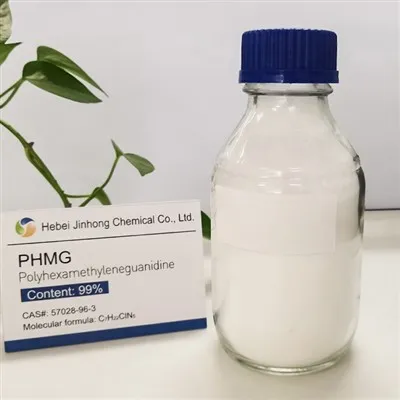
Understanding Polyhexamethylene Guanidine
Polyhexamethylene guanidine is a cationic polymer with excellent antibacterial and antifungal properties. It is synthesized through the reaction of hexamethylenediamine and dicyandiamide. The resulting polymer has a unique structure that allows it to interact with the cell membranes of microorganisms. When PHMG comes into contact with bacteria or fungi, it disrupts the cell membrane, leading to the leakage of intracellular substances and ultimately the death of the microorganism.
One of the key advantages of PHMG is its broad – spectrum antimicrobial activity. It is effective against a wide range of bacteria, including Gram – positive and Gram – negative bacteria, as well as fungi. This makes it a promising candidate for water treatment, where the control of microbial growth is crucial.
Applications in Water Treatment
Drinking Water Treatment
In the context of drinking water treatment, the safety of the water is of utmost importance. PHMG can be used as a disinfectant to eliminate harmful microorganisms such as E. coli, Salmonella, and Legionella. These bacteria can cause serious health problems if present in drinking water. By adding an appropriate amount of PHMG to the water, the microbial population can be significantly reduced, ensuring the safety of the water for human consumption.
However, it is essential to note that the use of PHMG in drinking water treatment must comply with strict regulations. The concentration of PHMG in the water needs to be carefully controlled to ensure that it does not exceed the allowable limits set by regulatory authorities. This is because, although PHMG is generally considered safe at low concentrations, high concentrations may have potential health risks.
Industrial Water Treatment
In industrial settings, water is often used for various processes such as cooling, heating, and manufacturing. Microbial growth in industrial water systems can lead to problems such as biofouling, corrosion, and reduced efficiency of equipment. PHMG can be used to prevent these issues by controlling the growth of bacteria and fungi in the water.
For example, in cooling towers, the warm and moist environment provides an ideal breeding ground for microorganisms. If left untreated, biofilms can form on the surfaces of the cooling tower, reducing heat transfer efficiency and increasing energy consumption. By adding PHMG to the cooling water, the growth of biofilms can be inhibited, improving the overall performance of the cooling system.
Wastewater Treatment
Wastewater contains a large number of microorganisms, some of which may be pathogenic. PHMG can be used in wastewater treatment to reduce the microbial load before the water is discharged into the environment. This helps to prevent the spread of diseases and protect the ecosystem.
In addition, PHMG can also assist in the removal of organic matter in wastewater. It can coagulate and flocculate suspended particles, making them easier to separate from the water. This can improve the efficiency of the wastewater treatment process and reduce the amount of sludge generated.
Advantages of Using PHMG in Water Treatment
High Efficiency
PHMG has a high antimicrobial efficiency, which means that a relatively small amount of the compound can effectively control microbial growth. This makes it cost – effective compared to some other disinfectants.
Stability
PHMG is stable under a wide range of pH and temperature conditions. It can maintain its antimicrobial activity in different water environments, making it suitable for various water treatment applications.
Low Toxicity
Compared to some traditional disinfectants such as chlorine, PHMG has relatively low toxicity. It is less likely to cause irritation to the skin and eyes, and it does not produce harmful by – products such as trihalomethanes.
Challenges and Considerations
Regulatory Compliance
As mentioned earlier, the use of PHMG in water treatment is subject to strict regulations. Different countries and regions have different standards and requirements for the use of PHMG in water. It is the responsibility of the water treatment operators and suppliers to ensure that the use of PHMG complies with these regulations.
Compatibility with Other Chemicals
In water treatment systems, PHMG may need to be used in combination with other chemicals. It is important to ensure that PHMG is compatible with these chemicals to avoid any adverse reactions. For example, some chemicals may react with PHMG, reducing its antimicrobial activity or causing the formation of unwanted precipitates.
Environmental Impact
Although PHMG is considered to have relatively low toxicity, its long – term environmental impact needs to be further studied. When discharged into the environment, PHMG may have an impact on aquatic organisms. Therefore, it is necessary to conduct environmental risk assessments before using PHMG in water treatment.
Conclusion

In conclusion, polyhexamethylene guanidine has great potential for use in water treatment. Its broad – spectrum antimicrobial activity, high efficiency, stability, and relatively low toxicity make it an attractive option for various water treatment applications. However, it is crucial to address the challenges such as regulatory compliance, compatibility with other chemicals, and environmental impact.
Guanidine Biocides As a supplier of PHMG, I am committed to providing high – quality products and technical support to our customers. We understand the importance of using PHMG safely and effectively in water treatment. If you are interested in using PHMG for your water treatment needs, I encourage you to contact us for further discussion. Our team of experts can help you determine the appropriate dosage and application method based on your specific requirements. Let’s work together to ensure the safety and quality of water in your applications.
References
- "Antimicrobial Polymers: Synthesis, Properties, and Applications" by several authors in a well – known polymer science journal.
- "Water Treatment Handbook" which provides comprehensive information on various water treatment methods and chemicals.
- Research papers on the environmental impact of PHMG published in environmental science journals.
Hebei Jinhong Chemical Co., Ltd.
Hebei Jinhong Chemical Co., Ltd. is one of the most professional polyhexamethylene guanidine manufacturers and suppliers in China. With abundant experience, we warmly welcome you to wholesale high quality polyhexamethylene guanidine made in China here and get pricelist from our factory. For price consultation, contact us.
Address: North of Fazhan Road, East of Qingyuan Road, Nanbao Development Zone, Tangshan City, Hebei Province
E-mail: kevin@hbjhchemical.com
WebSite: https://www.hbjhchemical.com/
