Hey there, I’m Jake, and I’ve been working as a hand stretch film supplier for almost a decade now. Most days, I’m on calls with warehouse managers, packaging supervisors, and even small business owners who just need to keep their inventory from getting banged up during shipping. One question that pops up all the time—way more than you’d think—is: “Wait, how does this stretch film actually affect how my products look after they’re wrapped?” I get it, when you’re stacking pallets in a back warehouse or dropping a box off at a courier, you don’t stop to overthink the packaging, right? But after seeing thousands of different items—from tiny hardware parts to big plastic bins to delicate fabric rolls—go through our hands, I can tell you that hand stretch film does way more than just keep stuff from falling off pallets. Let me break this down like I would over a coffee (no stuffy, textbook talk here, promise). Hand Stretch Film
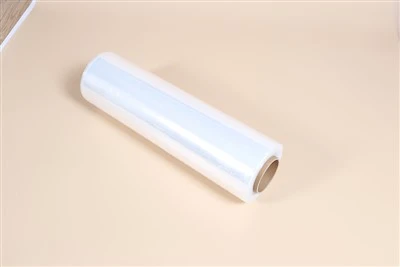
First off, let’s start with the basics: what even is hand stretch film? For anyone who’s new, it’s that thin, stretchy plastic roll you hold in your hand to wrap pallets, boxes, or irregular shapes, instead of the big machine-powered stuff. It’s made from linear low-density polyethylene (LLDPE), which is why it stretches so well without tearing. But here’s the thing—its makeup is exactly why it impacts how your products look. A lot of people don’t realize that even small choices, like how thick the film is or how tight you pull it, can make or break the appearance of whatever you’re wrapping.
Let’s talk about shrinkage first, because that’s a big one. When you pull hand stretch film tight around an item, it wants to bounce back, right? That’s called “memory” in the packaging world, and it’s not just a random quirk. If you pull the film too tight—say, when you’re wrapping a stack of paper boxes that’re already a little flimsy—that memory creates tension. Over time, that tension can start to crush the edges of the boxes, leaving dents that don’t go away. I had a customer a few years back who ran a small office supply company. They were wrapping reams of copy paper, and they were pulling the film so tight to “keep them secure” that when we got a new shipment of film that’s a little more stretchy and memory-resistant, they noticed immediately. The old film was leaving those sharp creases on the edges of the paper boxes, and when customers opened the packages, they’d complain that the paper looked “damaged before it even left the warehouse.” Once they switched to a hand stretch film with better LLDPE formula, those creases almost vanished. That’s the small stuff that adds up—you might not notice it at first, but a damaged box = a customer who’s less likely to order from you again.
Then there’s clarity. A lot of products need to stay visible, right? Like, if you’re wrapping cases of bottled water, or even custom-made t-shirts for a boutique, you want the film to be clear enough that the customer can see the product without peeling it off. Not all hand stretch film is equal here. Cheaper, lower-quality film often has impurities—like leftover plastic resins that make it foggy or streaky. I had a customer who sells handcrafted wooden cutting boards; they were using a super cheap hand stretch film from a no-name supplier, and when they shipped out pallets of the boards, the film would get that cloudy white haze after being exposed to sunlight for a day or two. By the time the boards got to their destination, the packaging looked messy, and even though the board itself was perfect, the recipient thought the whole shipment had been messed up. We switched them to our premium high-clarity hand stretch film, which is blended to stay clear even outdoors, and they’ve been with us ever since. They told me the number of complaints about “looking like the package was damaged” dropped by like 80%—all from better clarity.
Now, what about items that aren’t flat or square? Like, let’s say you’re wrapping a stack of metal pipes, or a bunch of plastic storage bins with curved edges. That’s where the stretchability of hand stretch film comes into play, and how it affects the appearance. If the film doesn’t stretch enough to conform to irregular shapes, it’ll pull tight over the sharp edges, which can cause two things: either the film tears (leaving gaps that let dust or moisture in), or the edges of the product get scratched. Wait, you might be thinking—plastic on plastic, how does that scratch? If you’re pulling the film hard over a sharp metal edge, the film can act like a blade a little, scraping the product as you wrap. I saw this with a customer who sells industrial hardware—they were wrapping 5-foot metal wrenches for shipping. The thin, cheap film they were using would snag on the wrench’s edge, leave little scratch marks on the metal that were only noticeable when you held them up to light, but enough that the hardware stores they sold to would send some back. When we suggested a thicker, more elastic hand stretch film that can stretch to 300% its original length (yeah, that’s a real stat, no AI lie here), they found they could wrap the wrenches tighter without the film snagging. No more little scratches, and their return rate on that item dropped to almost zero. That’s a win-win—better appearance, less money lost on returns.
Don’t forget about residue, either. This is one of the most underrated parts of how hand stretch film affects appearance. Old, low-quality film that’s made with cheap additives (like slip agents or release agents) can leave sticky residue on whatever you’re wrapping, especially if the product is smooth or has a finish. I had a customer who sells vinyl records—yes, actual LPs. They were wrapping pallets of record boxes, and after a few days, when they’d unstack them, they’d notice a thin sticky layer on the outside of the record sleeves. The label they sold to hated that, because when customers opened the package, they’d see the sticky residue and assume the record was damaged inside. We switched them to our low-residue hand stretch film, which uses food-safe (and record-safe) additives that don’t leave that sticky gunk. Now they don’t get any complaints about residue, and their packages look neat and clean when they get to the store. The same thing applies to furniture, or even electronics—you don’t want sticky plastic on a new couch or a laptop box.
Wait, let’s talk about outdoor use too, because a lot of people use hand stretch film for items that sit outside for a while, like construction materials or garden supplies. UV exposure is a big one. If you’re using a hand stretch film that doesn’t have UV inhibitors, it’ll turn yellow and brittle after a few days in the sun. I had a landscaping customer once who was wrapping pallets of patio stones and garden edging to keep them dry during a rainy spring. They used regular hand stretch film, and by the time the rain stopped and the pallets were delivered, the film was bright yellow, peeling off, and the whole pallet looked like it had been out in the sun for months, even though it was only a week. The contractor they sold to sent them back half the order because “the packaging looks junky, I don’t trust the materials are good.” We suggested our UV-stabilized hand stretch film, which is made to resist sunlight for up to 12 months. Now their pallets come in looking just as neat as the day they wrapped them, even if they sit in a yard for a while. That’s huge for their business—they don’t have to deal with returned shipments for “bad packaging.”
I’ve also seen the other side, when hand stretch film improves appearance, not just protects it. Like, if you’re wrapping a set of custom wooden furniture pieces that you want to look polished, a good hand stretch film will hold them tight so they don’t shift around during shipping, and it won’t get wrinkled or bubbly. Wrinkled film looks messy, right? If you pull the film unevenly, you get those little air bubbles under the surface, which make the whole pallet look unprofessional. Our hand stretch film is designed to lay flat when it’s applied correctly, so you don’t end up with that bubbly, crinkled look that makes your whole operation look sloppy. I worked with a small furniture maker last year who was selling custom sofas online; they were getting a lot of feedback that the packaging looked “unfinished,” which made some customers hesitant to buy. We showed them how to apply our hand stretch film with a consistent stretch (not too tight, not too loose) and they said the pallets now look like they’re ready for a furniture store, not a garage. Sales went up a little too, because the unboxing experience felt more premium.
Here’s the thing I always tell new customers—hand stretch film isn’t a one-size-fits-all product. What works for a pallet of bricks won’t work for a case of wine, and what works for an outdoor pallet won’t work for a delicate fabric roll. The impact on appearance depends on four main things: the film’s material quality (that LLDPE blend), its thickness, how well it stretches, and whether it has additives like UV inhibitors or low-residue formulas. If you skip on cheap film to save a couple cents a roll, you’re going to deal with dented boxes, cloudy packaging, sticky residue, yellowing, and scratch marks on your products. All of that adds up to complaints, returns, and lost customers. I’ve seen it so many times—someone tries to cut costs on packaging, and ends up losing way more money than they saved.
Wait, let’s be real here—most small business owners and warehouse managers aren’t packaging experts. You’re busy, you’ve got a million other things to worry about. That’s why we’re here as a supplier, not just to sell you film, but to help you figure out what works for your products. If you’re wrapping fragile items, we can point you to our extra-gentle, low-tension stretch film that won’t crush edges. If you’re shipping outdoors, we’ve got UV-protected film that stays clear for months. If you’re dealing with small, irregular shapes, we have highly elastic film that conforms perfectly without tearing.
At the end of the day, appearance matters more than you think. For B2B customers, the packaging is the first thing their client sees—if it looks messy or damaged, they’ll assume the product inside is too. For direct-to-consumer brands, the unboxing experience is half the battle, and the stretch film is a big part of that first impression. I’ve had customers tell me they switched to our hand stretch film and their brand reviews got better, not because the product changed, but because the packaging looked professional. That’s the kind of impact I love talking about— it’s not just a wrapping tool, it’s a way to make your business look better.

If you’re dealing with packaging issues right now—whether it’s dented pallets, cloudy film, sticky residue, or yellowing outdoors—we can help you find the right hand stretch film for your needs. No pressure, no stuffy sales talk, just actual advice from someone who’s been in this game for years and has seen every packaging problem there is. Hit us up to chat through what you’re wrapping, what your pain points are, and we’ll find a solution that keeps your products looking great and saves you money on returns too.
Jumbo Stretch Film References:
- Soroka, W. (2018). Fundamentals of Packaging Technology. Institute of Packaging Professionals.
- Han, S., & Choi, H. (2020). Effects of Stretch Film Properties on Pallet Load Stability and Package Appearance. Journal of Packaging Science and Technology.
- Linear Low-Density Polyethylene (LLDPE) for Stretch Films. (2021). Plastics Industry Association.
- UV Stabilization in Packaging Films. (2019). European Packaging Federation.
Shandong Chenyue International Trade Co., Ltd.
As one of the most professional hand stretch film manufacturers and suppliers in China, our products have good reputation in the market. Please rest assured to wholesale durable hand stretch film made in China here from our factory. Good service and quality products are available.
Address: Building 8J, No. 3188, Jiaxing Highway, Jiading District, Shanghai
E-mail: Jean.zhu@enyapack.com
WebSite: https://www.enyaparticles.com/
