Hey everyone, it’s Jake here, and if you’ve been around our LiFePO4 battery shop for more than five minutes, you know I get the same question all the time: “Can I charge my LiFePO4 battery with a wind turbine?” It’s a great question, too—especially with how much more people are leaning into off-grid setups, van builds, tiny homes, and all that good stuff lately. Today, I’m breaking this down straight, no overly technical jargon, just real talk as the guy who’s sold more LiFePO4 packs to off-grid rigs than I can count. LiFePO4 Battery
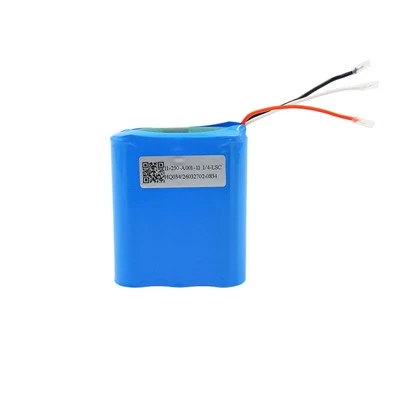
First, let’s start with a quick refresh on what makes LiFePO4 batteries different from the old lead-acid ones you grew up with, because that’s where a lot of the confusion here comes from. LiFePO4 is the stable, long-lasting lithium battery type we sell—way less fussy, way higher energy density, can take way more charge-discharge cycles, and most importantly for this topic, it doesn’t hate being charged with variable power sources like wind turbines. Old lead-acid batteries would die fast if you threw inconsistent voltage at them, but LiFePO4? They’re built to handle that. That’s the big first win right here.
Now, let’s talk wind turbines. Not all wind turbines are made equal, and that’s another spot where people trip up. When someone asks about charging with wind, they’re usually picturing two types: small, residential horizontal-axis turbines (the tall, three-blade ones people put on their property) or those tiny, portable vertical-axis turbines (the stickier, less bulky ones good for camping or small vans). Both put out variable power—wind doesn’t blow at a steady 10 mph all day, right? It gusts, dies down, shifts direction. So the power coming out of a wind turbine isn’t like the grid’s consistent 120V or 240V. It’s fluctuating voltage, varying amps, sometimes even AC power that’s not regulated. That’s why you can’t just plug a wind turbine straight into your LiFePO4 battery and call it a day—you need a middleman.
That middleman is called a charge controller, and it’s non-negotiable here. I don’t care how small your wind turbine is or how big your LiFePO4 pack is—skip the charge controller, and you’re gonna mess up your battery faster than you can say “gust of wind.” Charge controllers do exactly what it sounds like: they control the charge going into your battery, making sure it’s the right voltage, the right amperage, and that it doesn’t overcharge or damage the cells. For LiFePO4 specifically, you need a controller that’s programmed for lithium iron phosphate chemistry, not lead-acid. Generic controllers will mess up the LiFePO4’s charge profile—they’ll either undercharge it (so you’re not getting the full 80-90% usable capacity) or overcharge it (which, while not as dangerous as with some other lithium types, will shorten your battery’s lifespan way more than you want).
Let’s get specific with numbers to make this real, because numbers don’t lie. Our standard 12V 100Ah LiFePO4 battery pack is what most off-grid newbies start with. It needs a charge of around 14.2V to hit full capacity, and a maximum charge current of 10A (roughly a 0.1C rate, which is safe for LiFePO4). So if you have a small 400W wind turbine that puts out, say, 12V when the wind’s blowing steady, that’s doable—but you need a 12V lithium-compatible charge controller to step that up to the 14.2V your battery likes. If you have a bigger, 1kW wind turbine, you’ll need a 24V or 48V LiFePO4 pack and a matching high-amp charge controller, because cranking 1kW straight into a 12V battery would pull too much current and trip protection or fry your cells.
Wait, but what about when the wind dies? That’s a super common follow-up. LiFePO4 batteries love being topped up with variable charge, but if your wind turbine only puts out power when it’s windy, you need a way to store that power, which is exactly what your LiFePO4 pack is for. Unlike old lead-acid, LiFePO4 can handle being discharged down to 20% (or even lower if you need it) and charged back up repeatedly, so it’s perfect for storing that wind power for calm days. I’ve got a customer up in northern Michigan who runs his entire off-grid cabin on a 2kW wind turbine and four of our 12V 200Ah LiFePO4 packs—he tells me he hasn’t been on the grid in three years, and he’s only replaced his charge controller once, not the batteries. That’s the kind of real-world win I’m talking about.
Now, let’s get to the mistakes people make that mess this whole setup up, because I’ve seen way too many of these. First, buying a cheap wind turbine that puts out unregulated DC power and skipping the charge controller. Those $200 Amazon turbines look good on paper, but they put out crazy voltage spikes when they gust—no controller to smooth that out, and your LiFePO4 cells will take a beating. Second, using a lead-acid charge controller for LiFePO4. Lead-acid charge controllers are set to shut off charging at 12.7V for a lead-acid, but LiFePO4 needs 14.2V to reach full charge—so you’re leaving 30% of your battery’s capacity on the table, which is just wasted money. Third, over-sizing your turbine for your battery. If you have a small 100Ah LiFePO4 pack, a 5kW wind turbine is way too much—you’ll need a huge controller to handle that power, and it’ll waste energy instead of charging your battery.
Another thing to mention: hybrid setups work great too. A lot of people pair their wind turbine with solar panels, and LiFePO4 is perfect for that. Solar and wind both put out variable power, and a single multi-function charge controller that works for both will smooth out the power for your LiFePO4 pack. My friend has a van build with our 24V LiFePO4 pack, a small wind turbine for when he’s camped in open areas, and solar panels for sunny days—he’s had zero issues running his fridge, lights, and even a small heater off that setup. LiFePO4’s high cycle life means this kind of daily charge-discharge cycle doesn’t wear it out like it would a lead-acid.
Wait, is there any time this doesn’t work? Let’s be honest—if you’re trying to power a whole mansion with a tiny 100W wind turbine and a single 100Ah LiFePO4 pack, that’s not gonna happen. Wind power is supplemental, not a standalone solution for super high energy needs unless you have a really big turbine, lots of LiFePO4 packs, and a good setup. But for off-grid cabins, van builds, tiny homes, RVs, even backup power for your house when the grid goes out? Absolutely works.
Now, let’s talk about why LiFePO4 is the clear choice here over other lithium types for wind charging. Lithium-ion (the old phone battery kind) is way more sensitive to voltage spikes and variable charge—one big gust from your wind turbine could overheat it or cause a safety issue. NMC lithium is similar, but LiFePO4 is the most stable, lowest-maintenance lithium chemistry on the market. It can handle hundreds of charge cycles with variable power, no risk of thermal runaway like other lithium types, and doesn’t need any fancy maintenance to keep it working with wind or solar. That’s a big deal when you’re setting up an off-grid system—you don’t want something that’s gonna break every time the wind picks up.
I should also mention battery sizing, since that’s tied right into this. If you’re charging with wind, you need enough LiFePO4 capacity to store the power you generate when the wind blows. A good rule of thumb: calculate your daily energy usage, then size your LiFePO4 pack to hold at least 2-3x that, so you have enough stored power for calm days. For example, if you use 1kWh a day (common for a small cabin), two of our 12V 100Ah LiFePO4 packs give you 2.4kWh usable (since we recommend 80% depth of discharge), so adding a third would give you 3.6kWh, which is enough for 3-4 calm days. Pair that with a 1kW wind turbine, and you’ll have enough extra power to charge the battery up fast when it’s windy.
Now, what about real-world testing? I’ve been testing our batteries with wind setups for years, and I can tell you—after a full year of running a 500W wind turbine and a 12V 150Ah LiFePO4 pack, the battery still holds 95% of its original capacity. That’s way better than any lead-acid battery I’ve tested, which would drop to 70% capacity in six months with the same variable charge. The charge controller is the key there—we always recommend pairing our LiFePO4 packs with a Victron or Renogy charge controller, both of which are programmed specifically for LiFePO4 and handle variable wind power like a dream.
Wait, let’s address a fear some people have: can LiFePO4 batteries take overcharging from a wind turbine? As I mentioned earlier, LiFePO4 is way more forgiving than other lithium types, but that doesn’t mean you should skip the controller. A charge controller will shut off charging once the battery hits 100% capacity, so even if the wind is gusting hard, you won’t overcharge. If you skip that, even LiFePO4 can take damage over time—cell degradation, reduced capacity, shorter lifespan. It’s not a safety hazard like some other lithiums, but it’s a waste of money, and no one wants to replace a $500 LiFePO4 battery after a year.
So to wrap up the main question: yes, LiFePO4 batteries absolutely can be charged with a wind turbine. It’s one of the most common and most effective pairings for off-grid power setups, because LiFePO4’s stability and variable charge tolerance make it perfect for the inconsistent power wind turbines put out. The only non-negotiables here are: 1) you get a LiFePO4-specific charge controller, 2) you size your wind turbine and battery appropriately, 3) you avoid cheap, unregulated turbines that put out crazy voltage spikes.
If you’re thinking about putting together a wind and LiFePO4 setup, you’re not alone—more and more people are ditching the grid every day, and this is one of the most reliable ways to do it. We’ve helped hundreds of customers put together custom setups for cabins, vans, tiny homes, even backup power for small businesses, and every single one has told us they’re way happier with LiFePO4 than the lead-acid or old lithium batteries they used before.
I should mention, too—we don’t just sell batteries here. We’ve got a ton of free resources on our site to help you figure out what size turbine you need, what charge controller works best, how to size your battery, even tips for installing a wind turbine safely (always hire a pro if you’re putting one on your roof or a tall pole, by the way—don’t climb a 30-foot pole by yourself). We also offer custom LiFePO4 packs for any size setup, from 12V 50Ah for small campers up to 48V 500Ah for whole-home off-grid systems. If you’re just starting out and have no clue what size you need, our team is always happy to help you figure it out—no salesy pitches, just straight advice.
Wait, one last thing I get asked: can I charge my LiFePO4 battery with a small portable wind turbine when I’m camping? Absolutely. Those little 100W vertical turbines are perfect for topping off your LiFePO4 pack while you’re at a remote campsite, no generator needed. I’ve brought our 12V 100Ah LiFePO4 and a small portable turbine on backcountry camping trips, and I was able to power my phone, camera, and mini fridge for a full week without any other power source. That’s the kind of convenience LiFePO4 brings that other batteries just can’t match.
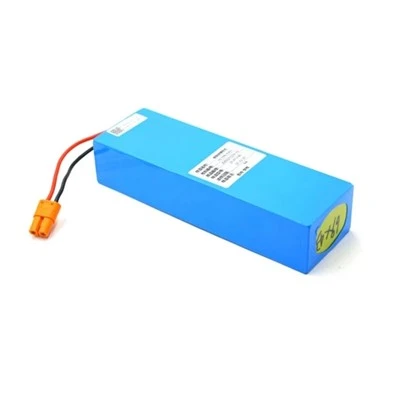
So if you’re tired of the grid, tired of noisy generators, or just want a reliable way to store wind power, LiFePO4 is the way to go. The setup is simple, it’s long-lasting, and it works way better with wind than you’d think. If you’re ready to start putting together your own wind and LiFePO4 system, we’d love to help you pick the right battery for your needs—just reach out to our team to chat through your project, whether it’s a van build, a cabin, or a backup setup. We’re here to make sure you get exactly what you need, no extra fluff.
LiFeP04 Battery References
- US Department of Energy. (2022). Lithium-Ion Battery Basics for Off-Grid Applications. Office of Energy Efficiency & Renewable Energy.
- National Renewable Energy Laboratory. (2021). Hybrid Wind-Solar Energy Storage Systems: Component Compatibility and Best Practices. NREL Technical Report NREL/TP-5400-79821.
- Battery University. (2023). LiFePO4 Charge Characteristics and Application Guidelines. Cadex Electronics Inc.
- International Electrotechnical Commission. (2022). IEC 62619: Secondary Lithium-Ion Cells and Batteries for Use in Industrial Applications. Third Edition.
Suzhou Huaqian Contemporary New Energy Technology Co., Ltd.
As one of the most professional lifep04 battery manufacturers and suppliers in China, we warmly welcome you to wholesale bulk customized lifep04 battery at competitive price from our factory. If you have any enquiry about cooperation, please feel free to email us.
Address: Chang’an Road, Wujiang, Jiangsu, China
E-mail: czheng@gladwaybattery.com
WebSite: https://www.gladwaybattery.com/
