Transporting a cutting mat pad requires careful planning and execution to ensure its safe arrival at the destination. As a cutting mat pad supplier, I have gained valuable insights into the best practices for transporting these products. In this blog post, I will share my experiences and provide you with practical tips on how to transport a cutting mat pad effectively. Cutting Mat Pad
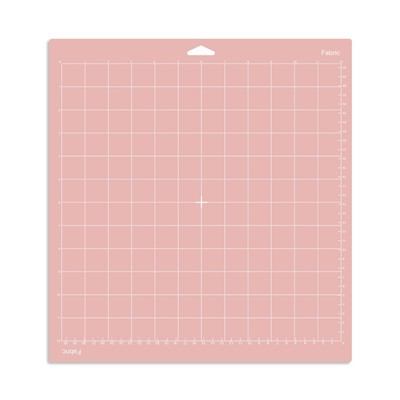
Understanding the Cutting Mat Pad
Before delving into the transportation process, it is essential to understand the nature of the cutting mat pad. Cutting mat pads are typically made of materials such as rubber, cork, or synthetic polymers. They come in various sizes and thicknesses, depending on their intended use. These pads are designed to provide a stable and protective surface for cutting, sewing, and other craft activities.
Preparing the Cutting Mat Pad for Transport
The first step in transporting a cutting mat pad is to prepare it properly. This involves cleaning the pad to remove any dirt, debris, or residue. Use a mild detergent and a soft cloth to wipe the surface of the pad gently. Make sure to dry the pad thoroughly before proceeding.
Next, protect the cutting mat pad from damage during transit. You can use a protective cover or wrapping to shield the pad from scratches, dents, and other forms of damage. If the pad is large or heavy, consider using a custom-made box or container to provide additional protection.
Choosing the Right Packaging
Selecting the appropriate packaging is crucial for ensuring the safe transportation of the cutting mat pad. The packaging should be sturdy, durable, and able to withstand the rigors of shipping. Here are some packaging options to consider:
- Cardboard Boxes: Cardboard boxes are a popular choice for transporting cutting mat pads. They are lightweight, affordable, and easy to customize. Make sure to choose a box that is slightly larger than the pad to allow for some cushioning.
- Plastic Containers: Plastic containers are another option for transporting cutting mat pads. They are more durable than cardboard boxes and provide better protection against moisture and damage. However, they can be more expensive and heavier.
- Custom-Made Packaging: If you are transporting a large or valuable cutting mat pad, you may want to consider using custom-made packaging. This can include a specially designed box or container that is tailored to the size and shape of the pad.
Cushioning and Securing the Cutting Mat Pad
Once you have chosen the appropriate packaging, it is important to cushion and secure the cutting mat pad inside the box or container. This will help to prevent the pad from shifting or moving during transit, which can cause damage. Here are some tips for cushioning and securing the cutting mat pad:
- Use Bubble Wrap: Bubble wrap is a great way to cushion the cutting mat pad and protect it from damage. Wrap the pad tightly in bubble wrap and secure it with tape.
- Add Packing Peanuts: Packing peanuts are another effective way to cushion the cutting mat pad. Fill the box or container with packing peanuts to provide additional protection.
- Secure the Pad: Use straps or tape to secure the cutting mat pad inside the box or container. This will help to prevent the pad from shifting or moving during transit.
Choosing the Right Shipping Method
The shipping method you choose will depend on several factors, including the size and weight of the cutting mat pad, the destination, and the delivery time. Here are some shipping options to consider:
- Ground Shipping: Ground shipping is a cost-effective option for transporting cutting mat pads. It is typically slower than air shipping but is suitable for non-urgent deliveries.
- Air Shipping: Air shipping is a faster option for transporting cutting mat pads. It is more expensive than ground shipping but is suitable for urgent deliveries.
- Courier Services: Courier services such as FedEx, UPS, and DHL offer reliable and efficient shipping options for cutting mat pads. They provide tracking information and insurance to ensure the safe delivery of your package.
Labeling and Documentation
Proper labeling and documentation are essential for ensuring the smooth transportation of the cutting mat pad. Make sure to label the package clearly with the recipient’s address, your return address, and any special instructions. You may also need to provide additional documentation, such as a packing list or a customs declaration, depending on the destination.
Tracking and Monitoring the Shipment

Once the cutting mat pad has been shipped, it is important to track and monitor the shipment to ensure its safe arrival. Most shipping carriers provide tracking information that allows you to track the progress of your package. You can also set up notifications to receive updates on the status of your shipment.
Conclusion
Cutting Mat Pad Transporting a cutting mat pad requires careful planning and execution to ensure its safe arrival at the destination. By following the tips and guidelines outlined in this blog post, you can minimize the risk of damage and ensure that your cutting mat pad arrives in perfect condition. If you have any questions or need further assistance, please do not hesitate to contact me. I would be happy to help you with your transportation needs.
References
- Packaging and Shipping Guidelines for Cutting Mat Pads, [Manufacturer’s Name]
- Best Practices for Transporting Cutting Mat Pads, [Industry Association]
- Shipping Options for Cutting Mat Pads, [Shipping Carrier]
Dongguan Tensoa Technology Co., Ltd.
As one of the most professional cutting mat pad manufacturers in China, we’re featured by quality products and low price. Please rest assured to buy cheap cutting mat pad in stock here and get quotation from our factory. We also accept customized orders.
Address: Room 201, Building 2, No. 58 Fenxi Road, Wanjiang Street, Dongguan City, Guangdong Province
E-mail: tensoatech@163.com
WebSite: https://www.tensoatech.com/
