Hey there! I’m in the business of supplying biodegradable wipes, and I’ve been getting a lot of questions lately about whether these wipes are truly eco-friendly. It’s a hot topic, and I totally get why people are curious. So, let’s dive right in and explore this question together. Biodegradable Wipes

First off, let’s talk about what makes a wipe biodegradable. Biodegradable wipes are designed to break down naturally over time when they’re exposed to the right conditions, like in a composting environment. Unlike regular wipes, which can take hundreds of years to decompose, biodegradable wipes are supposed to turn into organic matter much faster. This sounds great, right? Less waste sitting in landfills forever, and a smaller impact on the environment.
But here’s the thing – just because a wipe is labeled "biodegradable" doesn’t automatically mean it’s as eco-friendly as it seems. There are a few factors we need to consider.
One of the big issues is the definition of "biodegradable." There’s no one – size – fits – all standard for this term. Some companies might use it loosely, even if their wipes take a really long time to break down. For example, some wipes might only break down under very specific industrial composting conditions, which aren’t easily accessible to the average person. If you throw these wipes in your backyard compost, they might not break down at all. And if they end up in a landfill, well, the lack of oxygen and proper conditions means they could sit there for ages, just like non – biodegradable wipes.
Another factor is the materials used to make the wipes. While biodegradable wipes are often made from natural fibers like cotton or bamboo, some still contain synthetic materials or chemicals. These additives can slow down the biodegradation process or even be harmful to the environment. For instance, some wipes might have a coating or a fragrance that contains synthetic chemicals. These chemicals can leach into the soil or water when the wipes break down, causing pollution.
The production process also plays a huge role. Making biodegradable wipes still requires energy and resources. If the manufacturing process is energy – intensive and uses a lot of water, then the overall environmental impact might not be as low as we’d like. For example, growing cotton for wipes requires a significant amount of water, and if the cotton is grown using pesticides, it can harm the soil and nearby ecosystems.
Now, I’m not trying to be a downer. There are definitely some great things about biodegradable wipes. For one, they can be a much better alternative to regular wipes, especially when it comes to reducing the amount of plastic waste in landfills. And if you have access to a proper composting facility, using biodegradable wipes can be a great way to contribute to a more circular economy.
Let me share a little story. I had a customer who runs a small organic farm. She was looking for a way to clean up after her daily farm operations without using a lot of single – use plastic wipes. She decided to give our biodegradable wipes a try. After using them for a few months, she told me that not only were the wipes effective at cleaning, but she was also able to compost them right on her farm. This was a win – win situation for her – she reduced her plastic waste and added some organic matter back to her soil.
So, what can we do to make sure we’re choosing truly eco – friendly biodegradable wipes?
First, look for certifications. There are organizations that certify the biodegradability of products. For example, the OK Compost label means that the product has met certain standards for biodegradability in a composting environment. This can give you some peace of mind that the wipes you’re buying are actually going to break down as advertised.
Second, check the ingredients. Try to choose wipes that are made from 100% natural materials and don’t have any unnecessary chemicals or additives. This way, you can be more confident that the wipes won’t cause any harm to the environment when they break down.
Third, consider the brand’s overall environmental practices. A company that’s truly committed to sustainability will not only make biodegradable products but also try to minimize its impact throughout the entire production process. This could include using renewable energy, reducing water usage, and supporting fair labor practices.
As a supplier of biodegradable wipes, I’m constantly working to improve the environmental performance of our products. We’re always looking for ways to use more sustainable materials, reduce our energy consumption, and make sure our wipes break down as quickly and cleanly as possible.
If you’re in the market for biodegradable wipes, whether it’s for your home, your business, or your farm, I’d love to talk to you. We have a range of products that are designed to meet different needs and budgets. And we’re happy to answer any questions you might have about the environmental impact of our wipes.
So, are biodegradable wipes really eco – friendly? The answer isn’t a simple yes or no. It depends on a lot of factors, from the materials used to the production process and the disposal method. But with a little bit of research and careful consideration, you can find biodegradable wipes that are a great choice for the environment.
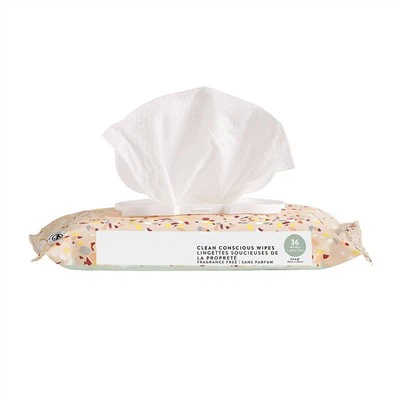
If you’re interested in learning more about our biodegradable wipes or want to discuss a possible purchase, don’t hesitate to reach out. We’re here to help you make the most eco – friendly choice for your needs.
Kitchen Wipes References:
- "The Science of Biodegradation" by Environmental Science Journal
- "Certifications for Biodegradable Products" by Green Living Magazine
- "Sustainable Manufacturing Practices" by Industry Insights Report
Shanghai Joy Crown Industry Co., Ltd.
As one of the most professional biodegradable wipes manufacturers and suppliers in China, our company have world-leading production equipment and strong manufacturing capabilities. Please feel free to buy high quality biodegradable wipes made in China here from our factory. Contact us for OEM service.
Address: No.55-56 Lane 21 Pu San Road, Pudong New Area, 200125 Shanghai, P.R.China.
E-mail: sales@joybiowipes.com
WebSite: https://www.joybiowipes.com/
