If you’ve ever seared a steak until it’s deep, caramelized golden brown, simmered a rustic batch of tomato sauce that tastes like it’s been slowly brewed for hours, or baked a crusty artisan loaf of bread right in the oven, you’ve likely crossed paths with enamel cookware. As someone who’s spent the last decade working with enamel cookware—first in test kitchens, and now running operations for a small, family-focused supplier—I’ve seen firsthand how a piece of well-cared-for enamel cookware can become the most used, and most beloved, item in a home kitchen. It’s not just a cooking tool; it’s something that gets passed down, that develops a patina that tastes like memories, that works as hard as you do for every meal. But here’s the thing: enamel is tough, but it’s not indestructible. I’ve gotten hundreds of calls from customers who swear their enamel Dutch oven is chipped after a single use, or that it’s rusted after being left in the sink overnight, and most of the time? It’s not a flaw in the cookware—it’s a small mistake in care that can be fixed, or completely avoided, with a little know-how. Today, I’m pulling back the curtain on the science behind enamel cookware, the care mistakes I see most often, and the step-by-step guidelines that will keep your enamel pieces looking and working like new for decades. Enamel Cookware
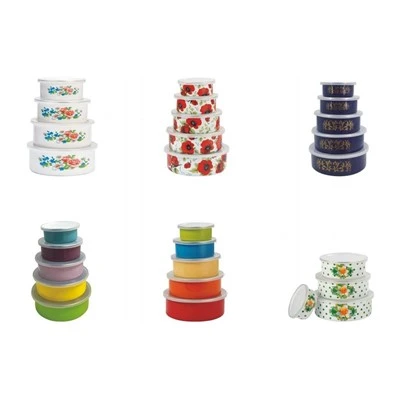
First, let’s get one key fact straight: enamel isn’t a metal, and it’s not just a coating—it’s a specialized glass-ceramic material, fused at over 1,500 degrees Fahrenheit to a base metal (usually cast iron, steel, or aluminum, depending on the line of cookware). That high-heat fusing process is why good enamel cookware is non-reactive, retains heat evenly, and is resistant to most stains and scratches—for a while. The glass part is brittle, though, and the metal core can rust if that outer glass layer is damaged, or if moisture gets trapped between the two layers. That’s why the “care rules” aren’t just arbitrary; they’re designed to protect that fragile fusion between glass and metal, preserving the cookware’s functionality and longevity.
One of the most common myths I hear is that enamel cookware can only be used on low heat, or that it’s impossible to get a sear on it. That’s not true—enamel’s strength is its ability to hold and distribute high heat, but there’s a right way to use that heat, and a wrong way. The biggest no-no here is preheating an empty enamel piece on a high stovetop burner. Empty enamel can heat so quickly that the glass layer expands faster than the metal core, causing tiny, invisible stress cracks in the enamel. Over time, those cracks turn into chips, or let moisture seep in to cause rust. I learned this lesson the hard way early on: when I was testing our first line of enamel skillets, I left a 10-inch skillet on a high burner for 10 minutes to “season” it, and when I touched the side, it didn’t just burn my hand—it had a tiny, spiderweb crack in the enamel at the handle base, a defect that would have ruined the piece. Now, our care instructions explicitly warn against preheating empty enamel cookware, but I still see customers doing it, because they want that perfect sear. So how do you get that golden, crispy sear without damaging your cookware? Start with medium heat, not high. For stovetop use, let your oil (or fat, like butter) warm up for 1-2 minutes before adding food. The oil will tell you when the pan is ready: it will shimmer lightly, not smoke. For ovens, enamel can go as high as 500 degrees Fahrenheit (check your specific piece—some specialty pieces go even higher, but never above 550), so you can use it for high-heat baking or braising, just never crank the stovetop burner to max when the pan is empty.
Next up: cleaning, which is where I see most customers make mistakes. After a hearty batch of chili, or a roast that’s left stuck-on bits on the bottom, the first instinct for many people is to grab a steel wool pad or a harsh abrasive cleaner to scrub it off. I get it—stuck food is frustrating. But abrasives like steel wool, Brillo pads, or even harsh chemical cleaners scratch the enamel surface, and those scratches are like tiny open doors for food, stains, and moisture to get in, leading to discoloration and chips. The good news? Enamel is non-stick (or at least low-stick) when it’s new, and even if food is stuck, a little patience goes a long way. For day-to-day cleaning, let your cookware cool completely before washing it. I know it’s tempting to run hot water over a hot pot right after cooking, but that thermal shock—hot glass touching cold water—causes the same kind of stress cracks as preheating an empty pan. Give it at least 30 minutes to cool on the stovetop or a heat-safe mat, and if you have a burnt-on mess, fill the pan with warm, soapy water and let it soak for 1-2 hours, or even overnight. The food will lift right off, no scrubbing needed. For tougher stains—like the tomato sauce that leaves a pink tint, or a little residue from roasting meat—mild dish soap and a soft sponge, nylon scrub pad, or even a wooden spoon work perfectly. Avoid anything labeled “scouring” or “abrasive,” and never put enamel cookware in the dishwasher. Even if the label says it’s dishwasher safe, the harsh detergents and high heat of dishwashers can break down the seal between the enamel and the metal core over time, leading to discoloration, rust, and even chipping. I’ve had customers tell me their dishwashable enamel cookware has rusted after a month, and 9 times out of 10, it’s because they put it in the dishwasher on a regular basis. Hand-washing is 10 minutes of work that will save you from replacing a $200 Dutch oven in a year—easy trade-off, in my book.
Then there’s storage, another area where small habits make a big difference. A lot of people stack their cookware in cabinets to save space, and if you have stainless steel or aluminum pieces, that’s fine. But enamel is a hard, brittle glass on the outside, so stacking enamel pieces directly on top of each other can cause chips, even if you have lids or other cookware in between. Here’s my rule of thumb: if you’re going to stack enamel pieces, separate them with a soft cloth, a paper towel, or a silicone mat (the kind used for baking works perfectly) to cushion the edges. Never store wet enamel cookware—even a little moisture trapped between the pan and its lid, or at the handle, can lead to rust on the metal core. If you’ve washed your enamel cookware, dry it completely with a soft towel before putting it away, and leave the lid ajar for an hour or two after washing, so any remaining moisture can escape. Another storage tip: don’t hang enamel cookware from hooks by their handles, unless the handles are specifically designed for hanging. The weight of the pan pulling down on the handle over time can stress the enamel at the handle-pan junction, leading to cracks or chips. If you do want to hang your cookware, look for pieces with reinforced handle attachments, or hang them by the rim of the pot, not the handle.
Now, let’s talk about the elephant in the room: chips and cracks. Even if you follow every rule, accidents happen. A falling jar, a bump with a kitchen knife, a drop off the counter—enamel is tough, but it’s not unbreakable. A small chip on the edge of the pan, or a tiny crack in the enamel, is not the end of the world, but it does need to be addressed quickly. If the chip is less than a quarter size, and it’s only on the outer enamel (not the metal core), you can keep using the pan—just avoid cooking acidic foods (tomatoes, citrus, vinegar) in that spot, because the exposed metal can react with the acid, leading to off-flavors and more rust. But if the chip is large, or you can see the dark metal core peeking through, that’s a problem. The exposed metal will rust if it comes into contact with moisture, and rust can spread under the enamel layer, causing bigger cracks and making the cookware unsafe to use. If that’s the case, retire the piece from cooking, and use it for storage or decoration—don’t keep using it to make meals for your family. Also, never use enamel cookware if there’s a crack extending all the way through the glass layer, or if the crack goes under the handle—exposure to heat and food can make those cracks worse, leading to the enamel flaking off into your food.
I’ve spent years talking to home cooks, testing our products, and learning from both mistakes and successes, and the biggest takeaway I can share is that caring for enamel cookware isn’t about following a bunch of rigid, annoying rules—it’s about respecting what it is, and working with its strengths, instead of against them. Enamel is designed to last, to perform, to become better with use, but only if you treat it like the investment it is. When you buy a good enamel Dutch oven, you’re not buying a pot—you’re buying something that can make bread, braise short ribs, roast vegetables, and last long enough to give to your kids, or your grandkids. All it takes is a little patience when cleaning, a little caution with heat, and a little care in storage.
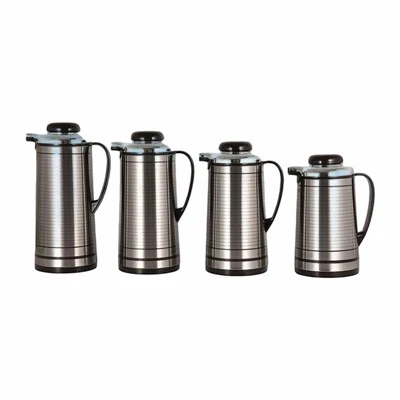
If you’re looking for high-quality enamel cookware that’s built to last, with clear care instructions tailored to each piece, we design and source products that balance durability, performance, and accessibility for home cooks. Whether you’re a beginner who’s just getting started with a Dutch oven, or a seasoned home cook who uses enamel skillets every night, we have pieces that fit your needs, and we’re always here to answer questions about care, use, or anything else related to enamel cookware. If you’re interested in learning more about our products, or discussing bulk ordering for your kitchen or restaurant, feel free to reach out to our team for more details.
Enamel Cookware References
- “Enamel Cookware Care: A Guide to Preserving Your Cast Iron and Steel Enamel Pieces.” Cook’s Illustrated, 2022.
- “The Science of Enameled Cookware: Composition, Durability, and Care.” Journal of Culinary Science & Technology, vol. 18, no. 3, 2020, pp. 245-262.
- USDA Food Safety and Inspection Service: “Safe Use of Cookware for Acidic Foods,” 2021.
Kairun International Co., Ltd.
As one of the most professional enamel cookware suppliers in China, we’re featured by quality products and good service. Please rest assured to wholesale customized enamel cookware made in China here from our factory. Welcome to contact us for more cheap products.
Address: NO.60 JIAZHAI,NANSHI DISTRICT,DONGYANG CITY,ZHEJIANG PROVINCE, CHINA
E-mail: lanzhou301@126.com
WebSite: https://www.kairunhouseware.com/
