If you’ve ever paused to think about what keeps a residential door locked tight, a server room from being entered without authorization, or a bank vault’s access log accurate to the minute, there’s a good chance a button switch is quietly pulling the strings behind the scenes. As a button switch supplier, I’ve spent the last decade fielding questions from security system integrators, building contractors, and tech startups who often underestimate how much these tiny, rugged components form the backbone of every layer of a security setup. Today, I want to break down the real, practical applications of button switches in security systems—no tech jargon fluff, just the on-the-ground insights I’ve gathered from working with teams building everything from small home alarm systems to large-scale commercial security networks. Button Switch
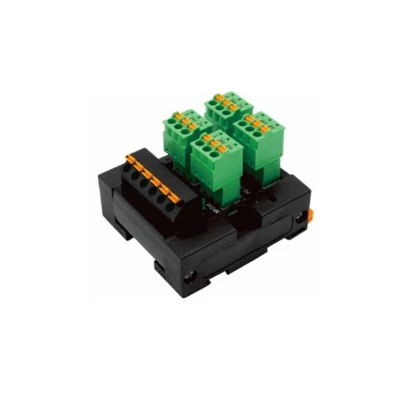
Let’s start with the most common use case that most people recognize: entry point monitoring. Think about every exterior door on a home or commercial building. It’s not enough to just lock a door and hope no one opens it—security systems need to know when that door actually opens, whether it’s someone with a key or a would-be intruder. That’s where our surface-mount button switches come into play. We design these small, weather-resistant switches to mount right into the door frame, with a tiny actuator that presses against the door when it’s closed. When the door is opened even a fraction of an inch, the actuator releases, sending a low-voltage signal to the security control panel. No signal means the door is closed; a signal is triggered means a breach has occurred.
What I love about these switches is their versatility for different entry points. For residential homes, we supply slim, low-profile button switches that fit seamlessly into modern door frames without sticking out like a sore thumb—homeowners don’t want a bulky, eyesore switch ruining their entryway design. For commercial loading docks, where doors are opened and closed hundreds of times a day by delivery teams, we build heavy-duty, impact-resistant button switches that can handle thousands of cycles without failing. We’ve even worked with integrators for warehouse facilities where dust, rain, and extreme temperatures are a daily factor; our IP67-rated button switches are sealed tight to keep moisture and debris out, so they work reliably year after year, no matter the conditions.
Moving beyond doors, button switches are also critical for window monitoring, especially in basements or upper floors that are common intruder entry points. Sliding windows, casement windows, even skylights can all be fitted with small, discrete button switches. For example, in a basement with multiple small windows, an integrator might mount a button switch along the window’s track—when the window slides open, the actuator releases, and the system triggers an alarm. This is way more reliable than old-fashioned magnetic sensors that can be triggered by a stray magnet or damaged by weather. As a supplier, I always remind teams that window switches need to be small and easy to conceal, which is why we offer miniature button switches that are barely 10mm in size—you have to know they’re there to spot them, which is exactly how security components should be.
Next up: panic and emergency alert systems. These are the parts of security that get people out of dangerous situations fast, and button switches are the core of that response. Panic buttons, for example, are used in everything from retail stores, where cashiers can discreetly alert police if they’re held up, to healthcare facilities, where staff can call for help if a patient becomes aggressive, to schools, where teachers can trigger a lockdown if an intruder is on campus. Our push-to-make button switches are ideal for this because they have a firm, tactile click—someone can press them under stress, even if they’re wearing gloves or shaking, and the switch triggers an immediate alert to the security team or local authorities.
What many people don’t realize is that panic button switches are designed for durability, but also for discretion. For retail settings, we offer flush-mount button switches that fit into the counter, so a cashier can press it under their hand without a shoplifter noticing. For schools, we’ve supplied recessed button switches in classroom walls that are only accessible from the inside, so a student or teacher can trigger a lockdown without anyone outside seeing them press a button. We also make waterproof panic button switches for outdoor spaces, like park restrooms or stadium concourses, where someone might need to call for help in wet conditions. The key here is that these switches are built to be used in high-stress, fast-paced situations—no fumbling, no failure when someone needs them most.
Then there’s access control and restricted area monitoring, which is where button switches play a role in managing who gets into sensitive spaces. Take server rooms, for example. These rooms hold a company’s entire digital data, so only authorized IT staff should be allowed in. We mount button switches on the server room door that are linked to the access control system—so every time the door is opened, the switch logs the time and who accessed the space, via the keycard or PIN used to unlock the door. That creates an audit trail that’s critical for compliance, whether it’s for healthcare HIPAA rules, financial regulations, or general cybersecurity best practices.
We also work with teams building access systems for high-security areas like bank vaults, museum exhibit storage, or government facilities. For these applications, we offer double-throw button switches that can trigger two signals at once: one to lock the door behind someone entering a restricted space, and another to alert security if someone tries to tailgate (follow closely behind an authorized person without their own access). Tailgating is a huge security risk, and button switches make it easy to detect—if the door is opened a second time before the first person has swiped their access, the switch triggers an alarm. These switches are also built to be tamper-resistant; if someone tries to pry the switch out of the wall or damage its wiring, it sends a separate alert to the security system. As a supplier, we’ve spent years refining these tamper-proof designs, because when a restricted area is at risk, there’s no room for error.
Another underrated application of button switches in security is in CCTV and alarm system auxiliary functions. Let’s say you have a security system that turns on lights when motion is detected outside a home. A button switch can be installed on the exterior light switch, so when the security system triggers the light, it also sends a signal to confirm the light is on—no more worrying if a burnt-out bulb meant the light didn’t activate. Similarly, button switches are used to arm and disarm security systems at the property. A flush-mount button switch by the front door lets homeowners press it to arm the system when they leave, and another to disarm it when they come home—way more reliable than old-fashioned keypads that can fail from dust or dead batteries. We also supply button switches that work with garage door openers to integrate garage access into the overall security system: when you open the garage door, the switch sends a signal that tells the security system you’re home, so you don’t have to manually disarm it when you pull in.
What I’ve found most interesting in my years as a button switch supplier is that the best security systems are built on small, consistent components that work together—you don’t notice the button switches until they fail, which is exactly how they’re supposed to work. I’ve heard too many horror stories from integrators who chose cheap, off-brand button switches for a job, only to have them fail after six months because they couldn’t handle extreme temperatures or heavy use. A commercial loading dock door that’s opened 20 times a day, every day, needs a switch that can last 10 years, not 10 months. A panic button that a cashier presses once a month needs to work every single time, even if it’s sat untouched for years.
That’s why our team focuses on testing every button switch we supply to security applications for durability, reliability, and consistency. We run thousands of cycle tests on our entry door switches to make sure they can handle opening and closing a door 10,000 times without losing their signal. We test our panic button switches under stress—simulating someone pressing them 10 times in 10 seconds, or pressing them with a gloved hand—and make sure they trigger every time. We test our IP-rated switches in spray booths to make sure they can handle heavy rain and dust without water getting inside.
At the end of the day, button switches might seem like a small part of a security system, but they’re the parts that make every other function work. They’re the ones that tell the system when a door is opened, when someone needs help, when a restricted area is accessed, and when everything is working as it should. For anyone building a security system, choosing the right button switches isn’t just a detail—it’s the difference between a system that works when you need it, and one that fails at the worst possible time.
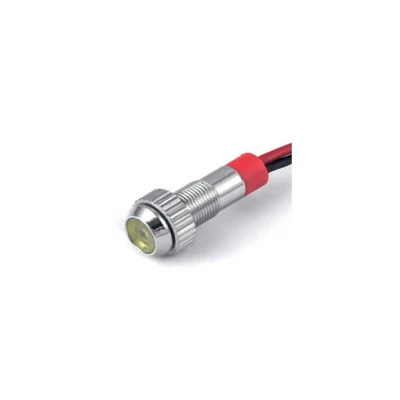
If you’re a security system integrator, building contractor, or property manager looking for reliable button switches for your next project, I’d be happy to walk through your specific needs and help you find the right components. Whether you need small, discrete switches for a residential home or heavy-duty, tamper-proof switches for a commercial facility, our team has the expertise to match our products to your requirements. Get in touch with our team to discuss your next security system project.
Pull Spring Terminal References
- National Fire Protection Association. (2022). NFPA 70: National Electrical Code, Article 725: Fire Alarm Systems. Quincy, MA: National Fire Protection Association.
- Security Industry Association. (2021). Best Practices for Access Control System Component Selection and Installation. Washington, DC: Security Industry Association.
- International Organization for Standardization. (2019). ISO 14122-3: Safety of Machinery – Permanent Means of Access to Machinery – Part 3: Stairways, Stepladders and Guardrails. Geneva, Switzerland: International Organization for Standardization.
- Underwriters Laboratories. (2020). UL 1054: Standard for Security System Units. Northbrook, IL: Underwriters Laboratories Inc.
Zhejiang Weide Electric Co., Ltd.
Zhejiang Weide Electric Co., Ltd. is one of the most professional button switch manufacturers and suppliers in China, featured by quality products and low price. If you’re going to buy the newest button switch, welcome to get free sample from our factory. We also accept customized orders.
Address: No. 555, South Binhe 2nd Road, Yueqing City, Zhejiang Province, China
E-mail: zjwdir@wdirele.com
WebSite: https://www.chweide.com/
