Hey there, if you’re in the market for ESD flooring (or already have it down in your server room, lab, or manufacturing floor), you’ve probably glanced at that grey, matte surface a year or two later and thought—“Wait, did it always look this dull? Or is it fading?” As an ESD flooring supplier who’s gotten this question a hundred times, I get why this is such a big deal. Fading doesn’t just make your space look messy; if your ESD finish is degrading, that could mean it’s not doing its core job: stopping static discharge that ruins sensitive electronics, damages chips, or causes those costly ESD events we all hate. Let’s break this down, no jargon, just the straight facts you need. ESD Flooring
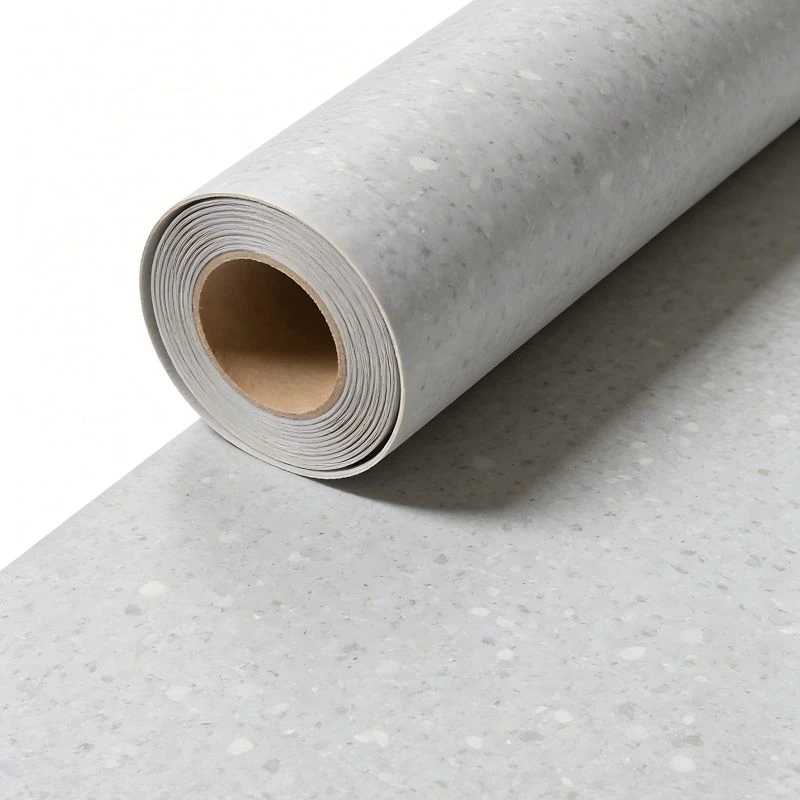
First, let’s get one thing clear: ESD flooring isn’t just your average linoleum. It’s a specialized system—usually either conductive tile, static-dissipative sheet, or epoxy—engineered to hold a consistent level of surface resistance (usually between 10^5 and 10^12 ohms, if you care about the numbers) to bleed off static charge safely. But fading? That’s more than just a cosmetic gripe—it’s often a red flag for material breakdown, so it’s not something to brush off.
So why does ESD flooring fade? It boils down to three main culprits, none of which are your imagination. First, UV exposure. Wait, you’re not leaving your flooring out in the sun, right? Unless your server room has massive skylights or you have a loading dock where forklights blast UV all day, but even indirect UV can add up. Most ESD floor finishes have pigments mixed in to block UV rays from breaking down the binding agents that hold the conductive particles (like carbon or carbon fibers) in place. Cheap flooring skips that protective pigment layer—so over 2-3 years, UV hits the topcoat, breaks it down, and the finish starts to dull, turning from that original neutral grey or blue to a flat, washed-out shade. The worse part? That breakdown isn’t just color-related: if the topcoat breaks, the conductive particles become loose, and your ESD resistance drops. We’ve seen this with budget flooring installs where a client called us after 18 months complaining of fading, only to test and find their surface resistance was 10x lower than it should be—exactly the static risk they were trying to avoid.
Second, heavy foot traffic and chemical exposure. Let’s be real, your manufacturing floor has people in steel-toe boots rolling dollies, dragging carts, and spilling cleaners, oils, or solvents. Those aren’t gentle on flooring. Static-dissipative flooring usually has a thin topseal, but harsh chemicals (like ammonia-based cleaners common in labs, or industrial degreasers) can etch that seal over time, stripping away the pigment that gives it color. Heavy rolling loads—like forklifts with rubber wheels that abrade the surface—can wear down the top layer faster than it’s designed to. If you’re using a cheap flooring option with a thin topseal (less than 2 mils, compared to our industry standard of 4-6 mils), that abrasion cuts right through the protective layer in 2-4 years, leading to both fading and lost ESD performance. We had a client in the automotive parts industry a couple years back; they picked a no-name ESD tile to save 20% upfront, and within 2 years, the high-traffic aisles were not only faded so bad they could barely see the tile lines, but the ESD test showed those areas were non-compliant. They ended up having to re-do half their floor 3 years early—costing way more than the “savings” they thought they had.
Third, wrong installation and maintenance. This is the one that surprises most folks. Even if you buy high-quality ESD flooring, if the installer doesn’t prep the subfloor right, or uses the wrong adhesive, the topcoat can bubble, peel, or fade unevenly. We’ve had clients who installed our standard ESD epoxy and then kept using a regular floor buffer (not a static-safe one) with a harsh scrub pad—those pads scratch the finish, fade the pigment, and leave tiny gaps where static can build up. Oh, and cleaning products matter a lot too. If you’re using a generic cleaner on ESD flooring that’s not labeled static-compatible, it can strip the topcoat over time. We always tell our clients to stick to neutral pH, ESD-safe cleaners—something we even stock for our regular customers. A good install and consistent, right maintenance can add 5+ years to your floor’s color and performance.
Now, the big question: does fading mean your ESD flooring is useless? Not always, but it’s a strong indicator. I’ve seen our flooring look a little dull after 5 years (nothing extreme, just a slight softening of the blue hue) and test perfectly for resistance. But if your floor is going from a bright, consistent color to patchy, dull, or almost chalky? That’s when you need to test your ESD resistance pronto. Here’s a quick test you can do right now: take a simple static meter (if you don’t have one, you can rent a cheap one online for $20) and press it to the floor. If the reading is outside that 10^5 to 10^12 ohm range, you’ve got a problem, whether it’s faded or not. But the good news? Our ESD flooring is formulated with a UV-protected topcoat, thicker 6-mil sealer, and we include a maintenance guide that’s all static-safe, so fading is a non-issue for 10+ years in most environments. We’ve got a 12-year-old install in a hospital lab that still looks almost brand new—no fading, still testing perfectly.
Wait, another common myth: some people think all ESD flooring has to be a bright, distinct color, so if it fades, it’s not real. Nope. The pigment is just for UV protection—your floor can be a matte grey, blue, even black, as long as it has the right conductive properties. A lot of cheap imports use low-quality pigments that fade fast, but our products use industrial-grade, light-stable pigments that don’t wash out or dull, even with heavy use. We recently had a client in a semiconductor factory with 10,000 sq ft of our ESD tile—they’re 7 years in, and they just did a visual inspection, noticing zero fading, and their quarterly resistance tests are all spot on. That’s the difference between cutting corners and investing in a floor that does what it’s supposed to.
So what can you do if you’re dealing with fading ESD flooring? First, test the resistance—don’t just go by color. If the resistance is still good, you can refresh the topcoat with a compatible ESD sealant, which will bring back the color and restore protection. If the resistance is off, you might need to repair or replace worn sections. But if you’re in the market for new flooring, skip the cheap stuff. Look for a supplier that guarantees fade resistance for at least 10 years, has material test data for both color stability and ESD performance, and gives you a clear maintenance plan.
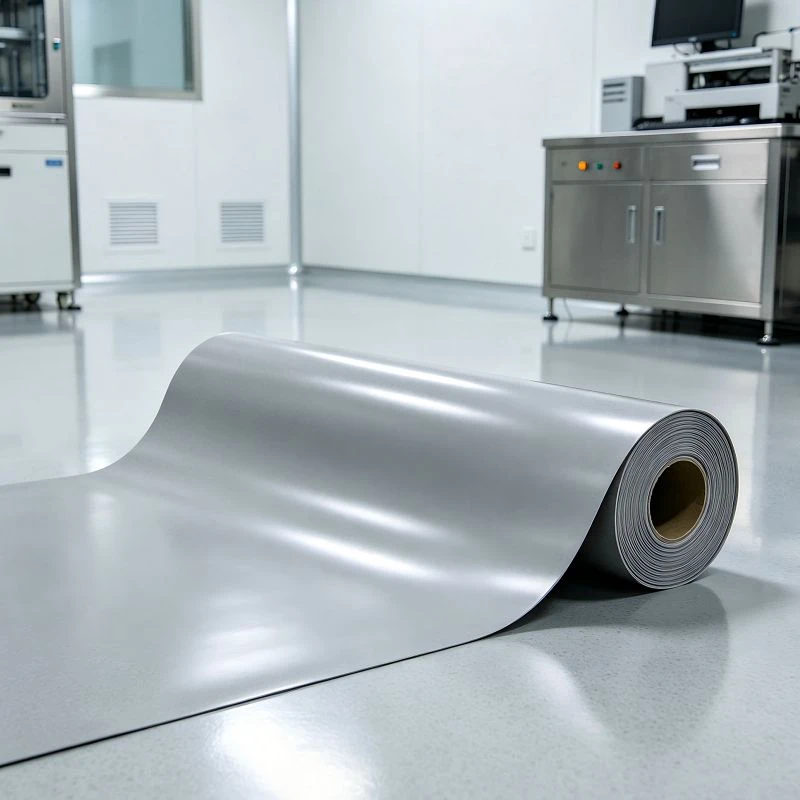
At the end of the day, ESD flooring’s job is two-fold: it has to work to protect your electronics, and it has to last. Fading is a warning sign, but it’s one that’s easy to avoid if you pick the right product and take care of it. If you’re curious about how our ESD flooring stands up to fading, or you need to test your existing floor, don’t hesitate to reach out to our team to chat through your needs—we’ll help you find a solution that works for your space, your budget, and your long-term goals.
ESD Flooring References:
- Static Control Industries. (2020). "ESD Flooring Degradation: Causes and Mitigation Strategies." Journal of Electrostatics Practice.
- International Organization for Standardization (ISO). (2018). "ISO 14122-3: Safety of Machinery – Floor Openings and Walkways."
- National Fire Protection Association (NFPA). (2021). "NFPA 70: National Electrical Code, Article 250 – Grounding and Bonding."
- Electrostatic Discharge Association (ESDA). (2019). "ESD Floor Materials: Selection and Maintenance Guidelines."
Qingdao Xinkailin Environmental Protection Materials Co., Ltd.
As one of the most professional esd flooring manufacturers and suppliers in China, we’re featured by quality products and good price. Please rest assured to buy premium esd flooring for sale here from our factory. Also, custom service is available.
Address: Room 618, Hedaxinduhui, No. 196 Tailiu Road, Shibei District, Qingdao City
E-mail: laura@xklflooring.com
WebSite: https://www.xklflooring.com/
