Let me start with a quick story—last quarter, I sat across from a purchasing manager at a mid-sized manufacturing plant in Ohio. She’d just spent $12,000 on auxiliary equipment for their assembly line: 15 power supply units, a set of calibration tools, and a few material handling carts. By week three, half the power supplies shorted out, the calibration tools were off by 0.2mm, and the carts’ wheel bearings seized up during a night shift. Her exact words? “I didn’t know ‘reliable’ auxiliary equipment even existed outside of big-name brands that charge three times more.” That stuck with me, because here’s the truth I see every day as an auxiliary equipment supplier: most buyers aren’t just looking for a piece of gear—they’re looking for something that shows up when they need it, doesn’t cost a fortune, and won’t derail their operations. Other Auxiliary Equipment
I get it. If you’re reading this, you’ve probably scrolled through Alibaba listings with prices that seem too good to be true, checked out big box stores that treat auxiliary equipment like an afterthought, and asked yourself why reliable options feel so hard to track down. Let’s break this down: where you should (and shouldn’t) shop for other auxiliary equipment, what red flags to watch for, and why partnering with a supplier that actually understands your line of work beats going it alone.
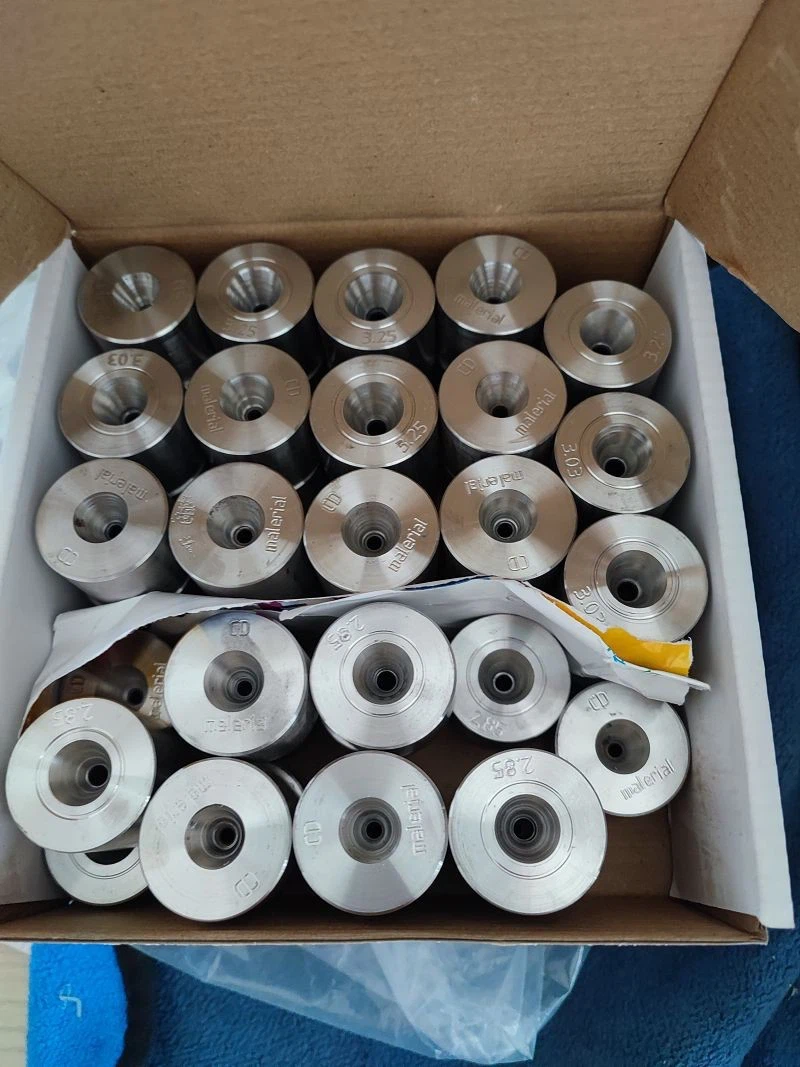
First, let’s define what “other auxiliary equipment” means here, because that term gets tossed around a lot. We’re talking about the gear that keeps your core production running but doesn’t make up the main machine itself: power supplies for specialty electronics, calibration tools for precision parts, material handling carts that fit your unique line layout, air compressors for small work cells, backup battery systems for critical shift operations, and even custom mounting brackets that keep sensors in place. This stuff is often overlooked in supplier catalogs, which is why it’s so easy to end up with flimsy, one-off pieces that don’t fit your needs.
Let’s start with the places to avoid, because I’ve seen too many buyers make these mistakes. The first is anonymous third-party marketplaces with no verification for small-scale auxiliary suppliers. I’m not saying all sellers on these platforms are bad, but most of the ones listing generic auxiliary equipment are trading off volume for quality. I had a client a few months back who bought 20 temperature control units from a marketplace seller that claimed to have “ISO certification”—turns out the seller was a middleman in Shenzhen who’d never seen the units, and the certification was a PDF they uploaded to their profile. When the units started failing, the seller ghosted them, and the marketplace wouldn’t step in because the listing was removed. The second pitfall is big-box retail stores that stock auxiliary equipment as a side item. Last year, a food processing plant client bought a set of stainless-steel mixing aids from a home improvement chain. The tools were rated for light residential use, not constant 12-hour shifts with heavy food-grade materials. By the end of the month, three handles snapped, and the plant had to shut down a production line for two days. Big-box stores price their auxiliary equipment to move, not to perform in industrial or professional settings. The third bad call is going for the absolute lowest bid, no questions asked. I’ve seen quotes where a buyer paid $800 for a power supply that lasted 100 hours, vs. a $1,500 unit from a reputable supplier that has a 3-year warranty. That $700 “savings” cost them $12,000 in overtime and lost production. Cheap auxiliary equipment isn’t a bargain—it’s a risk.
Now, the places where you can actually find reliable other auxiliary equipment, and what to look for when you’re vetting a supplier. Let’s start with specialized industrial suppliers that focus specifically on auxiliary equipment. These aren’t the big brands that sell full assembly lines—they’re the companies that build, source, and support the small, often-overlooked gear. The key here is that their entire business is built on this niche, so they don’t cut corners on quality to compete with big players. For example, if you need specialized material handling carts that fit a narrow production aisle, a specialized auxiliary equipment supplier will work with you to adjust the wheel size, frame material, and load capacity, vs. a general supplier that only offers a standard 48-inch cart. I work with a network of metal fabricators and electrical engineers who specialize in custom auxiliary components, and that’s the value we bring—we don’t just send you what’s on the shelf, we make sure it fits your space and use case.
Next, trusted industry networks and trade groups. If you’re in manufacturing, food processing, automotive, or any other field that relies on auxiliary equipment, there’s almost certainly a trade association (like the National Association of Manufacturers, or the Food and Agriculture Suppliers Association) that has vendor directories vetted by other professionals. A client in the aerospace industry told me he found his calibration tool supplier through his industry trade group—another member had used them for five years, so he didn’t have to do the trial and error. These groups vet their suppliers to make sure they can deliver on reliability, not just make sales. The downside here is that some trade groups charge for access, but the peace of mind is worth it when you’re buying gear that keeps your lines running.
Then there’s direct engagement with smaller, independent auxiliary equipment suppliers. Let me be clear—this isn’t the same as the anonymous third-party sellers I mentioned earlier. Small, independent suppliers often have deep expertise in specific types of auxiliary equipment, because they’ve built their business solving problems for local manufacturers. I started my own business five years ago, after working for a large equipment manufacturer for 12 years, because I saw how many local plants were being underserved by big brands. We don’t have a massive sales team, and we don’t stock 10,000 SKUs, but every product we source or build is tested in our shop first, and we offer on-site support within 48 hours of a request. When you work with a small independent supplier, you’re not just a order number—you’re a partner. If your line has a unique issue, we’ll call our network of engineers to adjust a component, not send a generic replacement part.
Now, the non-negotiables to confirm before you buy, no matter where you’re shopping. First, ask for proof of quality standards. ISO certification is a baseline for industrial equipment, but don’t just take a supplier’s word for it—ask for a copy of their ISO audit report, or test data for the specific units you’re buying. If a supplier says their power supplies are rated for 10,000 hours of use, ask for a stress test report to back that up. Second, clarify warranty and support terms. A reliable auxiliary equipment supplier will offer at least a 12-month warranty on parts, and should have a clear process for replacing faulty gear quickly. I once had a client who bought a set of vacuum pumps that failed on a Friday night—our team had a replacement at their facility by 9 a.m. Monday, because we keep critical parts in stock for exactly that reason. If a supplier won’t guarantee a fast turnaround for replacements, keep looking. Third, ask for references from customers in your exact industry. If you run a pharmaceutical plant, don’t buy from a supplier that only works with construction companies. A reputable supplier will have no problem giving you contact info for 2-3 clients that are similar to your operation, so you can ask them how the equipment performed.
Let’s also talk about what makes auxiliary equipment different from core production machines, and why that matters for reliability. Core machines (like assembly robots or injection molds) get most of the attention, so their quality is usually well-regulated by big brands. But auxiliary equipment is often seen as “disposable”—a part that gets replaced when it breaks, not invested in. That’s the mistake the Ohio plant I mentioned earlier made. They focused their budget on their main assembly line, and wrote off auxiliary gear as a low-priority cost. But when that auxiliary gear breaks, it stops the entire main line. Reliable auxiliary equipment isn’t an expense—it’s an investment in uptime. A $2,000 calibration tool that lasts five years will cost $33 a month, vs. a $800 tool that needs to be replaced every three months, at $266 a month. The math doesn’t lie.
I’ve seen too many buyers waste months chasing down cheap auxiliary equipment, only to end up right back where they started—frustrated, with broken gear, and production delays. The good news is that reliable options exist, you just have to know where to look. It’s not about avoiding online shopping entirely—there are specialized online catalogs that vet suppliers, offer product testing data, and have clear support terms. It’s not about paying three times more for a big-name brand—many specialized auxiliary equipment suppliers offer comparable quality at lower prices, because they don’t have the marketing overhead of Fortune 500 companies.
If you’re tired of auxiliary equipment that fails when you need it most, or working with suppliers that treat you like a number instead of a partner, let’s connect. We can walk through your equipment needs, go over quality test data, and make sure the auxiliary gear you get fits your line, your budget, and your uptime goals. No generic listings, no fine print, no ghosting when something goes wrong.
Let me wrap this up with something the Ohio purchasing manager told me a month after I helped her replace that failed auxiliary equipment. “I used to think ‘reliable’ meant paying the most. Now I know it means paying for something that doesn’t make me panic every time I turn on the line.” That’s the truth, and that’s what we build our business on. When you’re looking for reliable other auxiliary equipment, you don’t have to guess or settle. You just have to know where to look, and who to trust.
Steel Strip Processing Machinery References
- National Association of Manufacturers. (2023). Industrial Auxiliary Equipment: Best Practices for Sourcing and Reliability. Industry White Paper.
- U.S. Small Business Administration. (2022). Vendor Vetting Guidelines for Small and Medium Manufacturing Operations. SBA Small Manufacturing Resource Guide.
- International Organization for Standardization. (2021). ISO 9001:2015 Quality Management Systems Requirements for Industrial Equipment Suppliers. ISO Technical Report.
Three Water Machinery Co., Ltd.
Three Water Machinery Co., Ltd. is one of the most reliable manufacturers and suppliers of auxiliary equipment in China. With abundant experience, we warmly welcome you to buy advanced equipment for sale here and get quotation from our factory. Contact us for more details.
Address: No.15, Jiaye Road, Liuanzhuang Industrial Park, Beichen District, Tianjin, China
E-mail: sales@eqet.com
WebSite: https://www.eqet.com/
