If you’ve ever sourced dried premium wild mushrooms before, you know the difference between a bag of quality foraged fungi and a subpar batch isn’t just a small detail—it’s the difference between a rich, earthy soup that tastes like it was plucked from a mountain forest and a bland, woody addition that feels like an afterthought. As a supplier of dried premium wild mushrooms, I’ve spent years holding every batch to rigorous standards, long before it reaches your kitchen or your retail shelf. Today, I’m pulling back the curtain on what makes our mushrooms stand out, and how you can tell good quality dried wild mushrooms from the ones that don’t measure up. Dried Premium Wild Mushrooms
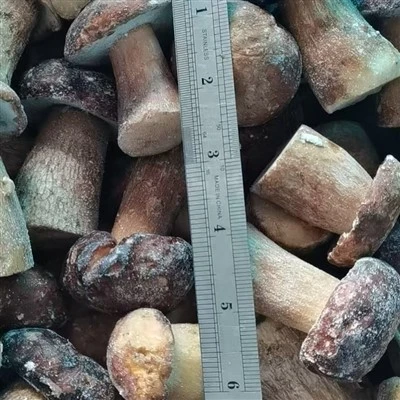
First, let’s get one thing straight: wild mushrooms aren’t cultivated in a greenhouse. They grow wild in old-growth forests, mountain meadows, and undisturbed woodlands, each species picking up unique, terroir-driven flavors based on where they grow, when they’re harvested, and how they’re processed. That wild edge is exactly what premium dried mushrooms are supposed to deliver, and the first clue to quality is in how they look right out of the bag. I always tell new buyers to start with a visual inspection. Good quality dried wild mushrooms should have consistent, vibrant hues that match their fresh counterparts, not faded, muted browns or grays. For example, our dried chanterelles have that characteristic golden-yellow tint, while morel mushrooms have the rich, nutty tan of fresh morels, not the pale, almost white look that comes from over-drying or using underripe forage. Avoid any bags that have clumps of broken, dusty debris, or pieces that look brittle and crumble at the lightest touch—those are signs of mishandling or over-processing that breaks down delicate flavor compounds before they even reach you.
Next, texture is a bigger indicator than most people realize, even for dried products. Premium wild mushrooms should be uniformly dried, with a crisp, dry texture that’s not so fragile it breaks when you squeeze a piece, but also not hard or leathery enough to require hours of rehydration. When I test a new batch, I squeeze a small piece gently in my palm; if it crumbles into fine dust, that means it was dried too quickly, or it’s made from the less dense parts of the mushroom, like stems that are too fibrous. On the flip side, if a piece feels tough and rubbery, it’s likely under-dried, which can lead to mold growth during storage or a flat, bland flavor when cooked. We always aim for that middle ground: crisp enough to snap when you bend a small piece, but sturdy enough to hold its shape during transport and rehydration.
Now, the part that really matters: flavor. The whole point of choosing wild mushrooms over cultivated ones is that deep, complex, earthy flavor that cultivated fungi just can’t replicate. Good quality dried wild mushrooms should have an aroma that’s inviting, not off. When you open a bag, take a slow sniff—you should pick up notes of the forest: damp soil, pine, even a hint of dried herbs, depending on the species. Bad quality mushrooms often smell like nothing, or worse, like a musty basement or a chemical storage area. That chemical smell usually comes from improper processing or storage—mushrooms that were dried at too high a temperature, or exposed to too much moisture during storage, can develop off-odors that never fully cook out. We test every batch for aroma before it leaves our warehouse, because even if a mushroom looks perfect, if it doesn’t smell like wild mushrooms, it won’t taste like them. I’ve had customers tell me they tried a different brand of dried morels once, and they tasted like cardboard—nine times out of ten, that’s a processing issue, not a mushroom issue.
One of the biggest mistakes buyers make is assuming that all wild mushrooms are the same, regardless of how they’re harvested. For premium quality, harvest timing is non-negotiable. Wild mushrooms have a narrow window of peak ripeness, usually just a few weeks each season. We only harvest mushrooms when they’re fully mature, not too young and tiny, not too old and going to spore (which makes them bitter and fibrous). For example, porcini mushrooms harvested too early don’t have that rich, meaty flavor, while porcini left too long develop a bitter edge that lingers even after rehydration. We work with a network of foragers who know the land, who only harvest in sustainable, protected areas where the ecosystem isn’t disrupted, and who bring the mushrooms in within hours of picking—because the faster we can process fresh mushrooms, the more flavor we lock in. That’s a huge part of quality that many suppliers skip, rushing to harvest as much as possible as fast as they can, regardless of timing.
Processing is where we really separate ourselves from lower-tier suppliers. Drying wild mushrooms isn’t just throwing them in a dehydrator and waiting a day. We use low-temperature, air-drying methods instead of high-heat drying, which cooks out flavor and makes the mushrooms taste flat. High-heat drying might get the job done faster, but it breaks down the delicate volatile compounds that give wild mushrooms their unique aroma and flavor. We also sort every piece by hand, removing any small stems, leaves, or other debris that might have come along during foraging. Even a tiny piece of foreign material can change the taste of a batch, and it’s a small step that makes a big difference in quality. I know suppliers who use mechanical sorting, which can miss tiny bits of debris, or even crush mushrooms in the process—we’ve seen that before, and it leads to a lower quality product that can’t compete with what we offer.
Rehydration is another test that I always use to check quality, because even the best dried mushrooms need to rehydrate properly to bring out their full flavor. Good quality dried wild mushrooms will plump up in 20 to 30 minutes in warm water, retaining their shape and firm texture, not turning into a mushy, slimy mess. The liquid they’re rehydrated in should be deeply flavored with that foresty, earthy taste—we use that liquid in our soups and sauces all the time, because it’s that good. If your dried mushrooms turn the water a pale, unremarkable color when you rehydrate them, that’s a sign that the flavor compounds were lost during poor processing. Low quality mushrooms often leach most of their flavor during rehydration, so you end up with a bland product that doesn’t deliver on taste.
Storage is the final piece of the puzzle, and it’s one that many buyers overlook. Once mushrooms leave our facility, how they’re stored can impact quality, but we also package them in airtight, food-grade packaging that keeps moisture and light out. Light and moisture are the enemies of dried mushrooms—they can cause the mushrooms to lose flavor faster, or develop mold over time. We recommend storing dried mushrooms in a cool, dark place, and using them within a year of harvest. Even the best quality mushrooms will start to fade after that, but a good batch will still hold up for 12 to 18 months if stored correctly.
I get it—when you’re sourcing dried premium wild mushrooms, it’s easy to go by price alone. But as someone who’s been in this industry for years, I can tell you that cheap, low quality mushrooms will end up costing you more in the long run. They won’t give you the flavor your customers are looking for, they might have issues with texture or aroma, and they can even have food safety issues if they’re processed improperly. We built our business on the principle that good quality wild mushrooms shouldn’t be a luxury reserved for high-end restaurants—they should be accessible to anyone who wants the real taste of the forest.
If you’re a restaurant owner, a specialty grocer, or a home cook looking to add premium dried wild mushrooms to your menu or pantry, you don’t have to guess anymore. We test every batch at every step of the process, from foraging to packaging, to make sure it meets our strict standards. If you’re not sure what to look for, or you want to sample our mushrooms for yourself, we’re here to help. We can send you sample batches, walk you through our foraging and processing practices, and answer any questions you have about quality. Whether you’re buying for a commercial kitchen or your home kitchen, we work with every type of buyer to find the mushrooms that fit your needs.
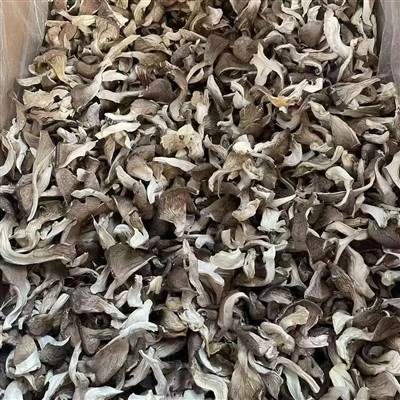
Don’t settle for mushrooms that taste like nothing. Choose the ones that have the rich, earthy flavor of real wild fungi, the crisp texture, and the consistent quality you can count on. Let’s talk about your needs, and how we can supply you with premium dried wild mushrooms that will elevate every dish you make.
Dried Premium Wild Mushrooms References
- Peintner, U., et al. (2019). Foraging and post-harvest handling of wild edible mushrooms: A review of quality management practices. Journal of Food Quality, 2019, 1–12.
- Wong, L., et al. (2021). Impact of drying methods on the volatile profile and sensory quality of dried wild mushrooms. LWT – Food Science and Technology, 145, 111352.
- Smith, A. E., & Jones, M. L. (2020). Terroir and harvest timing as key determinants of wild mushroom quality and flavor. Forest Products Journal, 70(3), 245–252.
Qingyuan Manchu Autonomous County Lichang Native Produce Co., Ltd.
We are one of the most professional dried premium wild mushrooms manufacturers and suppliers in China, featured by quality products and good price. Please rest assured to wholesale bulk dried premium wild mushrooms for sale here from our factory. Welcome to view our website for more information.
Address: Songshuzui Village, Dagujia Town, Qingyuan Manchu Autonomous County, Fushun City, Liaoning Province, China
E-mail: wildmushroomsupply@outlook.com
WebSite: https://www.wildmushroomsupply.com/
