As a supplier of 40 Series Batteries, one of the most frequently asked questions I encounter is about the weight of these batteries. Understanding the weight of a battery is crucial for various reasons, from transportation logistics to the overall design of the device it powers. In this blog post, I’ll delve into the factors that influence the weight of 40 Series Batteries, provide some general weight ranges, and discuss why the weight matters in different applications. 40 Series Battery

Factors Influencing the Weight of 40 Series Batteries
The weight of a 40 Series Battery is determined by several key factors. First and foremost is the battery chemistry. Different battery chemistries have different densities, which directly affect the weight. For example, lithium – ion batteries, which are commonly used in 40 Series Batteries, are known for their relatively high energy – to – weight ratio compared to other chemistries like lead – acid batteries. Lithium – ion batteries use lithium compounds in their electrodes, and these materials are light yet can store a significant amount of energy.
Another factor is the capacity of the battery. A higher – capacity battery typically weighs more because it contains more active materials to store more energy. For instance, a 40 Series Battery with a capacity of 5000 mAh will generally be heavier than one with a 2000 mAh capacity. This is because more lithium – ion cells or other active components are required to achieve the higher capacity.
The design and construction of the battery also play a role. The casing of the battery can add weight. A more robust and protective casing will increase the overall weight but may be necessary for applications where the battery is exposed to harsh environments or potential impacts. Additionally, the internal structure, such as the arrangement of cells and the presence of any additional components like circuit boards for protection and management, can contribute to the weight.
General Weight Ranges
The weight of 40 Series Batteries can vary widely depending on the factors mentioned above. On average, a basic 40 Series lithium – ion battery with a moderate capacity of around 3000 mAh might weigh between 100 and 150 grams. This weight range is common for batteries used in small electronic devices such as portable speakers, wireless earbuds, or some handheld gaming devices.
For higher – capacity 40 Series Batteries, say with a capacity of 5000 mAh or more, the weight can range from 150 to 250 grams. These batteries are often used in larger devices like tablets or some high – end smartphones, where a longer battery life is required.
If the battery has a more complex design, such as a built – in battery management system (BMS) for enhanced safety and performance, the weight can increase further. A 40 Series Battery with a sophisticated BMS might weigh an additional 10 – 20 grams compared to a similar battery without one.
Why the Weight Matters
The weight of a 40 Series Battery is of great significance in different applications. In consumer electronics, weight is a critical factor for user experience. For example, in smartphones, users prefer a device that is lightweight and easy to carry around. A heavy battery can make the phone cumbersome and less comfortable to hold. Similarly, in portable devices like laptops, a lighter battery can contribute to better portability, allowing users to carry the device around without much effort.
In the automotive industry, the weight of batteries is a major concern. Electric vehicles (EVs) rely on large – capacity batteries, and reducing the weight of these batteries can improve the vehicle’s energy efficiency. A lighter battery means less energy is required to move the vehicle, resulting in longer driving ranges and better performance.
In aerospace applications, weight is even more crucial. Every gram matters in space missions, as reducing weight can save on fuel costs and allow for more payload. 40 Series Batteries used in satellites or other aerospace devices need to be as light as possible while still providing the necessary power.
Industry Standards and Regulations
There are industry standards and regulations regarding the weight of batteries, especially for transportation. For example, airlines have strict rules about the weight and quantity of batteries that can be carried on board. These regulations are in place to ensure safety, as batteries can pose a fire risk if not properly handled. As a supplier, we need to ensure that our 40 Series Batteries comply with these regulations to facilitate smooth transportation and avoid any legal issues.
Customization and Weight
One of the advantages of being a 40 Series Battery supplier is the ability to offer customized solutions. Depending on the specific requirements of our customers, we can adjust the weight of the batteries. For instance, if a customer needs a battery for a very lightweight device, we can optimize the design to reduce the weight without sacrificing too much capacity. On the other hand, if a customer requires a battery with a high capacity for a device that can tolerate a heavier battery, we can design a battery with more active materials to meet their needs.
Conclusion
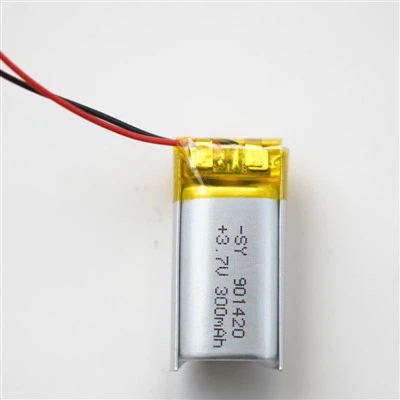
In conclusion, the weight of 40 Series Batteries is influenced by battery chemistry, capacity, design, and construction. The weight matters significantly in various applications, from consumer electronics to automotive and aerospace industries. As a supplier, we understand the importance of providing batteries with the right weight for different needs. Whether you are looking for a lightweight battery for a portable device or a high – capacity battery for a more demanding application, we can offer customized solutions.
10 Series Battery If you are interested in our 40 Series Batteries and would like to discuss your specific requirements, please feel free to reach out to us for a procurement discussion. We are eager to work with you to find the best battery solution for your needs.
References
- Battery Technology Handbook, 3rd Edition
- International Air Transport Association (IATA) Dangerous Goods Regulations
- Journal of Power Sources, various issues related to lithium – ion battery research
Hubei Shuoyue Electronics Technology Co., Ltd.
As one of the most professional 40 series battery manufacturers and suppliers in China, we also support custom service. Please feel free to wholesale bulk cheap 40 series battery from our factory. For price consultation, contact us.
Address: Hubei Shuoyue Industrial Park Management Co., Ltd., No. 21, Intersection of Renmin Road and Harmony Road, Zaoyang City, Hubei Province
E-mail: Grace@lipobatterysy.com
WebSite: https://www.hbsy-battery.com/
