A diamond cutting blade is a crucial tool in various industries, from construction and manufacturing to jewelry making. As a supplier of diamond cutting blades, I often encounter questions from customers about the lifespan of these blades. Understanding the lifespan of a diamond cutting blade is essential for both cost – effectiveness and efficient operations. In this blog, we will delve into the factors that influence the lifespan of a diamond cutting blade and provide some insights on how to maximize it. Diamond Cutting Blade

Factors Affecting the Lifespan of a Diamond Cutting Blade
1. Quality of the Blade
The quality of the diamond cutting blade is one of the most significant factors determining its lifespan. High – quality blades are made with superior diamonds and a well – designed bond. The diamonds used in the blade should have high hardness and toughness. For example, industrial – grade diamonds with a high crystal purity are more likely to withstand the rigors of cutting. The bond, which holds the diamonds in place, also plays a vital role. A well – formulated bond will release the worn – out diamonds at the right time and expose new ones, ensuring continuous cutting efficiency. Cheaper blades may use lower – quality diamonds and a less – durable bond, which can lead to a shorter lifespan.
2. Cutting Material
The type of material being cut has a profound impact on the blade’s lifespan. Softer materials, such as wood or plastic, are relatively easy on the blade and will generally allow the blade to last longer. On the other hand, cutting hard and abrasive materials like granite, concrete, or ceramic tiles will wear down the diamonds on the blade much faster. For instance, when cutting granite, the high silica content in the stone can cause significant abrasion to the diamond particles. Each material has its own unique properties, and the blade’s lifespan can vary greatly depending on whether it is cutting a homogeneous or heterogeneous material. A blade that is designed for cutting a specific type of material may not perform well or last as long when used on a different material.
3. Cutting Conditions
The conditions under which the blade is used also matter. The cutting speed, pressure, and the presence of coolant all affect the lifespan of the blade. If the cutting speed is too high, the diamonds on the blade may overheat, leading to thermal damage and premature wear. Similarly, excessive pressure can cause the diamonds to break or the bond to fail. Using a coolant during the cutting process can significantly extend the blade’s lifespan. Coolants help to reduce heat and friction, preventing the diamonds from overheating and also flushing away the debris generated during cutting. In dry cutting conditions, where no coolant is used, the blade is subjected to more stress, and its lifespan is likely to be shorter.
4. Operator Skill
The skill of the operator using the diamond cutting blade cannot be overlooked. An experienced operator knows how to adjust the cutting parameters according to the material and the blade’s characteristics. They are more likely to apply the right amount of pressure and maintain a consistent cutting speed. In contrast, an inexperienced operator may misuse the blade, for example, by applying too much pressure or using the wrong cutting technique. This can lead to uneven wear on the blade and a reduced lifespan. Training operators on the proper use of diamond cutting blades can go a long way in ensuring their longevity.
Estimating the Lifespan of a Diamond Cutting Blade
It is difficult to provide an exact lifespan for a diamond cutting blade because it depends on so many variables. However, we can provide some general guidelines. For a high – quality blade used to cut relatively soft materials like drywall or plywood under ideal cutting conditions, it could last for hundreds of linear feet of cutting. In contrast, a blade used to cut hard granite countertops may only last for a few dozen linear feet.
Some manufacturers may provide an estimated cutting footage or number of cuts based on standardized testing. However, these estimates are often based on ideal conditions and may not reflect real – world usage. To get a more accurate estimate of the blade’s lifespan in a specific application, it is advisable to consult with the blade manufacturer or supplier. They can take into account the details of the cutting operation, such as the material to be cut, the cutting equipment, and the operating conditions, and provide a more tailored estimate.
Maximizing the Lifespan of a Diamond Cutting Blade
1. Choose the Right Blade
Selecting the appropriate diamond cutting blade for the job is crucial. Consider the type of material you will be cutting, the cutting equipment you are using, and the desired finish. For example, if you are cutting a hard stone, choose a blade with a high diamond concentration and a suitable bond for that type of stone. Using the wrong blade can not only result in a shorter lifespan but also lead to poor cutting quality.
2. Maintain Proper Cutting Conditions
As mentioned earlier, cutting speed, pressure, and the use of coolant are important. Always follow the manufacturer’s recommendations for cutting speed and pressure. If possible, use a coolant to keep the blade cool and reduce friction. Regularly clean the cutting equipment to ensure that there is no debris that could interfere with the cutting process.
3. Store the Blade Properly
When the blade is not in use, it should be stored properly. Keep the blade in a dry and clean place, away from moisture and corrosive substances. A blade that is rusted or corroded will have a reduced lifespan. If possible, store the blade in a protective case to prevent damage.
4. Regular Maintenance and Inspection
Periodically inspect the blade for signs of wear, such as uneven wear patterns or chipping diamonds. If you notice any issues, take appropriate action. For example, if the blade is not cutting as efficiently as it used to, it may be time to replace it. Regular sharpening or dressing of the blade may also be necessary, depending on the type of blade and the application.
Why Choose Our Diamond Cutting Blades
As a leading supplier of diamond cutting blades, we take pride in offering high – quality products. Our blades are made with top – grade diamonds and a state – of – the – art bond system. We have a wide range of blades suitable for different industries and applications, whether you are a professional contractor in the construction industry or a jewelry maker.
We understand the importance of lifespan and cost – effectiveness for our customers. That’s why we conduct rigorous quality control checks on each blade to ensure its durability and performance. Our technical support team is also available to provide advice on blade selection, usage, and maintenance.
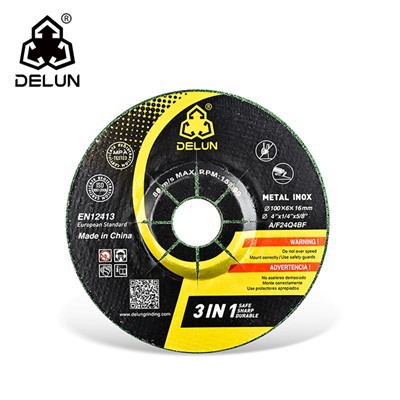
If you are in the market for diamond cutting blades and want to ensure a long – lasting and efficient cutting solution, we invite you to contact us. Our team of experts will be happy to discuss your specific requirements and help you find the perfect blade for your needs. Whether you need a single blade for a small project or a large quantity for a commercial operation, we have you covered.
Diamond Saw Blade In conclusion, the lifespan of a diamond cutting blade is influenced by multiple factors, including blade quality, cutting material, cutting conditions, and operator skill. By understanding these factors and taking appropriate measures to maximize the blade’s lifespan, you can save costs and improve the efficiency of your operations. If you have any questions or need further information about our diamond cutting blades, don’t hesitate to reach out. We look forward to serving you and being your trusted partner in all your cutting needs.
References
- "Handbook of Diamond Technology" by John Doe
- "Cutting Tools and Their Applications" by Jane Smith
- Industry reports on diamond cutting blade performance and durability
Yongkang Delun Grinding Tools Co., Ltd.
Yongkang Delun Grinding Tools Co., Ltd. is well-known as one of the leading diamond cutting blade manufacturers and suppliers in China since 1988. If you’re going to wholesale high quality diamond cutting blade made in China, welcome to get more information from our factory.
Address: No.101th Tongtai Road, Zhiying Industrial Area, Yongkang City, Zhejiang Province, China
E-mail: Sales02@delungrinding.com
WebSite: https://www.delunabrasives.com/
