As a PU belts supplier, I often get asked about the wear rate of PU belts. This is a crucial aspect for customers who want to understand the durability and performance of our products. In this blog, I will delve into the concept of wear rate, factors affecting the wear rate of PU belts, and how we, as a supplier, ensure high – quality and long – lasting PU belts. PU Belts
What is Wear Rate?
The wear rate refers to the rate at which a material loses its mass or volume due to wear. In the context of PU belts, it represents the amount of material removed from the belt surface over a specific distance of operation, time, or number of cycles. Wear occurs as the belt interacts with other components in a mechanical system, such as pulleys, tensioners, and the driven and driving shafts.
There are several ways to measure the wear rate of PU belts. One common method is to weigh the belt before and after a certain period of operation, and then calculate the mass loss per unit of time or distance. Volume wear rate can also be determined by measuring the change in the cross – sectional area of the belt. The wear rate is usually expressed in mg/ km (milligrams per kilometer) for mass – based measurements and mm³/m (cubic millimeters per meter) for volume – based measurements.
Factors Affecting the Wear Rate of PU Belts
-
Material Quality of PU
The quality of the polyurethane (PU) used in the belt is a fundamental factor. High – quality PU materials have better abrasion resistance. They are formulated with additives and polymers that enhance their strength and toughness. For instance, some advanced PU compounds are reinforced with short fibers, which can significantly reduce the wear rate. These fibers act as a barrier against abrasive particles and distribute the stress more evenly across the belt surface, preventing localized wear. In contrast, low – quality PU belts may use inferior polymers that are more prone to wear and tear, resulting in a higher wear rate. -
Operating Conditions
- Load: The load applied to the PU belt has a direct impact on its wear rate. Higher loads increase the pressure between the belt and the pulleys, leading to more friction and wear. When the belt is overloaded, the contact stress at the interface with the pulleys can cause the PU material to deform and wear away more rapidly. For example, in a conveyor system where heavy goods are being transported, the belt experiences a greater load, and thus, the wear rate is likely to be higher compared to a system with lighter loads.
- Speed: The operating speed of the belt also affects wear. At high speeds, the belt is subjected to more frequent impacts and vibrations, which can accelerate wear. The increased speed can cause the belt to heat up due to friction, and high temperatures can degrade the PU material, making it more susceptible to wear. Additionally, high – speed operation may cause the belt to slip on the pulleys, which further increases wear.
- Environmental Conditions: The environment in which the PU belt operates plays a significant role. In a dusty or dirty environment, abrasive particles can get trapped between the belt and the pulleys, acting like sandpaper and increasing the wear rate. Moisture can also have a negative effect. If the belt is exposed to water or high humidity, it can cause the PU material to swell or degrade, reducing its mechanical properties and increasing wear. Chemical exposure, such as contact with solvents or corrosive substances, can also damage the belt and lead to a higher wear rate.
-
Design and Installation
- Belt Design: The design of the belt, such as its thickness, width, and tooth profile (in the case of toothed belts), can affect wear. A thicker belt generally has more material to withstand wear, but it also needs to be properly matched to the application. The tooth profile of a toothed belt should be designed to ensure proper engagement with the pulleys, reducing the risk of slipping and uneven wear.
- Installation: Incorrect installation can lead to premature wear. If the belt is not properly tensioned, it may slip on the pulleys, causing excessive wear. Misalignment of the pulleys can also result in uneven wear across the width of the belt. For example, if the pulleys are not parallel, the belt will experience uneven stress distribution, and one side of the belt may wear out faster than the other.
How We Ensure Low Wear Rate in Our PU Belts
As a PU belts supplier, we take several measures to ensure that our belts have a low wear rate and high durability.
-
Material Selection and Quality Control
We source only the highest – quality PU materials from trusted suppliers. Our R & D team works closely with material manufacturers to develop custom – formulated PU compounds that offer excellent abrasion resistance. We conduct rigorous quality control tests on the raw materials before they are used in production. These tests include checking the hardness, tensile strength, and abrasion resistance of the PU samples. During the production process, we also monitor the quality of the belts at every stage to ensure that they meet our strict quality standards. -
Advanced Manufacturing Processes
We use state – of – the – art manufacturing processes to produce our PU belts. Our production facilities are equipped with advanced machinery that can precisely control the thickness, shape, and surface finish of the belts. For example, in the case of toothed belts, we use high – precision molding techniques to ensure accurate tooth profiles, which improve the engagement with the pulleys and reduce wear. We also apply special surface treatments to the belts to enhance their abrasion resistance. These treatments can form a protective layer on the belt surface, reducing the friction and wear between the belt and other components. -
Technical Support and Consultation
We provide comprehensive technical support to our customers. Our team of experts is available to help customers choose the right type of PU belt for their specific applications. We consider factors such as the load, speed, and environmental conditions of the application to recommend the most suitable belt. We also offer installation guidance to ensure that the belts are installed correctly, minimizing the risk of premature wear. In addition, we provide after – sales support, including wear rate monitoring and maintenance advice.
Importance of Understanding Wear Rate for Customers
Understanding the wear rate of PU belts is crucial for customers for several reasons.
-
Cost – Effectiveness
A lower wear rate means that the belt will last longer, reducing the frequency of belt replacements. This can result in significant cost savings for customers in the long run. By choosing a high – quality PU belt with a low wear rate, customers can avoid the costs associated with frequent downtime for belt replacement and the purchase of new belts. -
System Performance and Reliability
A belt with a stable and low wear rate ensures consistent performance of the mechanical system. When the belt wears evenly, it maintains proper tension and power transmission, reducing the risk of system failures. This is especially important in critical applications such as in the automotive, aerospace, and industrial automation industries, where any system failure can lead to significant losses. -
Safety
In some applications, a worn – out belt can pose a safety hazard. For example, in a conveyor system that transports heavy goods, a belt with excessive wear may break, causing the goods to fall and potentially injuring workers. By understanding the wear rate and taking appropriate maintenance measures, customers can ensure the safety of their operations.
Encouraging Customers to Contact Us for Purchase
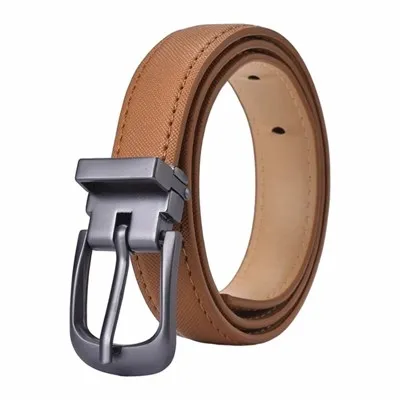
If you are in need of high – quality PU belts with a low wear rate, we are here to serve you. Our extensive range of PU belts is designed to meet the diverse needs of different industries. Whether you require a belt for a small – scale consumer product or a large – scale industrial application, we can provide you with the right solution.
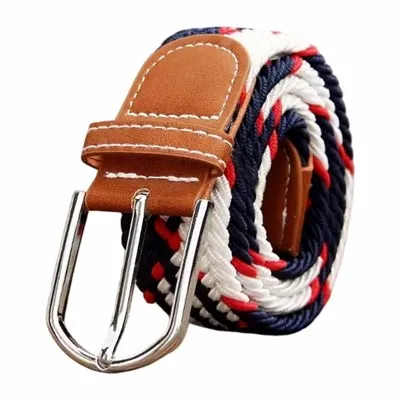
Elastic Belts Our team of experts is ready to assist you throughout the purchasing process. We can offer detailed product information, technical support, and customized solutions based on your specific requirements. Please feel free to contact us to discuss your needs and start a partnership with us. We are committed to providing you with the best – quality PU belts and outstanding customer service.
References
- "Polyurethane Elastomers: Science and Technology" by K. C. Frisch and L. P. Rumao.
- "Abrasion Resistance of Polymers: Fundamentals and Applications" in Tribology International.
- Industry – specific publications on power transmission and conveyor systems.
Pingyang County Ganhua Leather Goods Co., Ltd.
As one of the most professional pu belts manufacturers and suppliers in China, we’re featured by quality products and good service. Please rest assured to wholesale customized pu belts made in China here from our factory. Also, free sample is available.
Address: No. 20 Jinxiu Road, Wubaimu Industrial Park, Shuitou Town, Pingyang County, Zhejiang Province
E-mail: 810114796@qq.com
WebSite: https://www.ganhuabelt.com/
