When I started as a Type T bulb supplier three years ago, the most common question I got from customers—even before they asked about brightness or lifespan—was this: Can Type T bulbs be used in a bathroom? At first, I didn’t overthink it; I just pointed out the basics of our bulbs and bathroom lighting rules. But over time, as I talked to homeowners, electricians, and even small bathroom remodelers, I realized this question isn’t just a yes or no. It’s tied to real risks, building codes, and what makes a bathroom’s lighting actually work. Today, I want to break this down from my perspective as someone who designs, tests, and sells Type T bulbs for a living—no fancy jargon, just the stuff I’ve learned from solving actual problems for people. Type T Bulb

First, let’s get the basics straight. Type T bulbs aren’t some random name we made up as a supplier. The “T” stands for tubular—their shape is long and thin, like a tiny cylinder, not the rounded globe of a standard A19 bulb. They used to be mostly incandescent, but today most Type T bulbs we sell are LED, which is why they’ve blown up for kitchen under-cabinet lighting, desk lamps, and even pendant lights over vanities. Their narrow beam, long length, and energy efficiency make them popular for small, targeted spaces—exactly the kind of spots you have in a bathroom. But bathrooms are different, right? They’re damp, they have humidity that lingers after a shower, and they sometimes get splashed with water. That’s where the confusion starts.
Most people assume any bulb can handle a bathroom, but that’s not true. The key here is IP rating—Ingress Protection rating. This is the universal system that tells you how well a light fixture (and the bulb inside it) resists dust and water. For a bathroom, the National Electrical Code (NEC) in the U.S. splits the space into zones, and each zone has different requirements. Zone 0 is inside the tub or shower, Zone 1 is above the tub or within 3 feet of the showerhead, and Zone 2 is 3 to 10 feet from the tub or shower, plus areas near sinks. For Zone 1 and Zone 0, you need a minimum IP45 rating—meaning the fixture (and bulb) can handle water splashes from any direction. For Zone 2, IP20 is often enough, though electricians will sometimes bump it up to IP44 just to be safe.
Now, here’s the part I wish more people knew when they pick a Type T bulb from a big box store: not all Type T bulbs are IP-rated. A standard unrated Type T bulb—like the old incandescent ones or a cheap LED Type T you find in the lighting aisle—only has an IP20 rating at best. That means it’s protected from solid objects bigger than a finger, but zero protection against water. If you put that in a bathroom vanity light right above your sink, a splash from washing your hands could damage the bulb over time, and in a pinch, it could even cause a short circuit. That’s why so many people I’ve worked with have had bad experiences: they grabbed a Type T bulb because it matched their fixture, didn’t check the IP rating, and it burned out in a month from humidity.
But here’s the good news: as a Type T bulb supplier, we build a lot of our products specifically to meet bathroom needs. Last year, we released our IP45-rated Type T LED line after getting 17 customer requests in six months for a bulb that could work in both vanity lights and semi-flush bathroom fixtures. These bulbs have a tight seal around the base and the glass, so they block out moisture without losing any of the Type T benefits—their narrow 2700K warm white light doesn’t create harsh shadows on your face when you’re shaving or putting on makeup, and they use 80% less energy than incandescent Type T bulbs, which means lower electric bills for homeowners.
I want to be clear, though: even if you have an IP-rated Type T bulb, the fixture it’s in matters just as much. A bulb can have an IP45 rating, but if it’s in a cheap plastic fixture that cracks when you hang it above the shower, water will get in. I always tell customers that when they’re replacing a bathroom bulb, check the fixture’s label first. If the fixture says it’s rated for damp locations, you can use either an IP45 or IP20 Type T bulb (but I still recommend IP45 for longevity). If it says wet location, go for an IP65-rated Type T—those are made to be exposed to direct water, like in a shower niche.
Last month, I worked with a small interior designer in Austin who was remodeling three master bathrooms for a development project. She came to us because her previous supplier couldn’t offer Type T bulbs that fit the IP45 requirement for the vanity lights above each sink. She’d been using round A19 bulbs, but they made the small vanities look clunky—Type T’s slim profile gave the space a modern, sleek look without sacrificing brightness. We recommended our IP45 Type T LED bulbs, and she told me later that her clients loved them because the light was soft enough for applying skincare but bright enough for evening grooming, and none of them have had a bulb burn out early from humidity. That’s the kind of win that makes being a Type T bulb supplier worth it—solving a problem that big box stores don’t focus on.
Another common myth I hear all the time: Type T bulbs produce too much heat for a bathroom. I get where that comes from—old incandescent Type T bulbs got hot enough to burn you if you touched them. But today’s LED Type T bulbs? They run at less than 10% of the heat of incandescents. I’ve tested our own products—when they’re on for 12 hours straight, the surface of the bulb is only warm, not hot enough to cause burns. That’s actually a plus for bathrooms because it means they don’t add extra moisture to the air from heat, which can help prevent mold growth around the light fixture.
Wait, but what about vented bathroom lights? A lot of people have a light/fan combo in their bathroom. Can you put a Type T bulb in those? Absolutely, as long as the fixture is rated for that space. Most bathroom fan light combos are designed for damp locations, so a standard IP20 Type T LED will work, but again, I suggest going for the IP45 if it’s an enclosed fixture. The only time I’d say Type T bulbs are a bad idea for a bathroom is if you’re using an old-fashioned open-style fixture that isn’t rated for damp areas, or if you’re putting a non-IP-rated Type T bulb right next to a shower or tub where it’s exposed to direct steam. Steam is actually more damaging than splashes because it’s fine water vapor that can seep into small gaps in the bulb over time.
I also want to mention dimmable Type T bulbs, because a lot of people use bathroom lights that dim for a cozy bath or bright for getting ready. Not all Type T bulbs are dimmable, so if you’re looking for that, make sure the packaging says “dimmable.” Our line has dimmable IP45 Type T bulbs that work with most standard dimmer switches, so you don’t have to buy a special dimmer to use them. That’s a detail most customers don’t think about until they buy a bulb that won’t dim—then they’re stuck returning it.
As a Type T bulb supplier, I also work with a lot of electricians who are doing bathroom remodels. One electrician in Dallas told me last year that he used to get 2 to 3 calls a month from homeowners who had a Type T bulb that shorted in their bathroom. Now, he only sources our IP-rated Type T bulbs for his jobs, and he hasn’t had a single call about a bulb issue in 18 months. That kind of feedback is what drives me to keep refining our products—we don’t just sell bulbs, we give solutions that fit real spaces.
Let’s circle back to the original question: Can Type T bulbs be used in a bathroom? The short answer is yes, but only if you pick the right type. You can’t just grab any Type T bulb from the shelf and install it in your bathroom vanity or shower light. You need to check the IP rating of both the bulb and the fixture, match it to your bathroom’s zones, and opt for LED Type T bulbs (not incandescent) for safety and energy efficiency. The old unrated Type T bulbs that were common 10 years ago? They’re fine for closets or under-cabinet lights in a dry kitchen, but not for a bathroom.
If you’re planning a bathroom remodel or just replacing old bulbs, I always recommend talking to someone who knows Type T bulbs specifically—big box stores usually have generic staff who don’t get into the nuances of IP ratings or bulb shapes. As a Type T bulb supplier, I’m here to answer those questions: do I need IP45 or IP20? Will this bulb fit my vanity light? Does it work with a dimmer? I don’t push our products on people just to make a sale— I walk them through their space, their fixture, and their needs so they get the right bulb the first time, no returns or extra costs down the line.
Bathroom lighting is more important than most people think. It’s where you start your day, where you unwind at night, and where you do tasks that require good, even light. Type T bulbs offer a sleek, modern alternative to round bulbs that can make a small bathroom feel larger and less cluttered, as long as you use the right type. The last thing anyone wants is a bulb that burns out in a week or, worse, causes an electrical hazard. That’s why we prioritize testing our Type T bulbs for damp and wet locations, because we’ve seen firsthand how a good bulb can make a bathroom feel better, and a bad one can create stress.
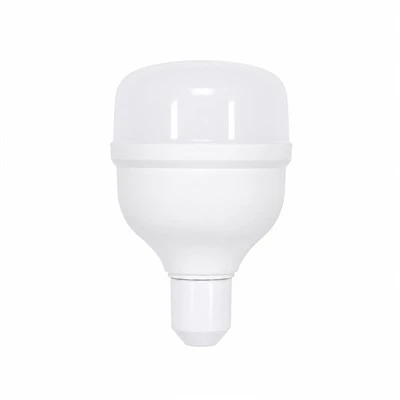
If you’re in the process of planning a bathroom update, or if you’re an electrician or remodeler looking for reliable Type T bulbs for your projects, I’m here to help. We can work with you to find the right bulb for your space, answer any questions about IP ratings, fit, or dimming, and make sure you have the products that meet all building codes. Don’t settle for generic bulbs that don’t fit your needs—reach out to us and let’s find the right Type T solution for your bathroom.
LED T-Bulb References
National Electrical Code (NEC). 2020 Edition. Article 410: Luminaires, Lampholders, and Lamps.
International Electrotechnical Commission (IEC). Standard 60529: Degrees of Protection Provided by Enclosures (IP Code).
U.S. Department of Energy. 2023 Lighting Facts: LED Bulb Performance and Safety for Residential Spaces.
Illuminating Engineering Society (IES). RP-20: Recommended Practice for Lighting of Residential Bathrooms.
Hangzhou Lin’an Mingfeng Electric Parts Co., Ltd.
We are one of the most experienced type t bulb manufacturers and suppliers in China since 1996. We warmly welcome you to wholesale customized type t bulb made in China here from our factory. If you have any enquiry about pricelist and quotation, please feel free to email us.
Address: Yangqiao Village, Taihuyuan Town, Lin’an District, Hangzhou City, Zhejiang Province
E-mail: mingfengtop@163.com
WebSite: https://www.mingfengtop.com/
