Hey everyone, if you’ve ever wandered the aisles of a fabric store, you’ve probably spotted stuff labeled as twill, plain, or satin and thought “wait, what’s actually the difference between all these weaves?” And yeah, as someone who’s been supplying 3/1 twill weave fabric for over a decade, I get it—half the time terms like “twill shift” or “float length” sound like they belong in a lab, not in a chat about a nice work shirt or durable upholstery. Today I’m breaking down specifically what makes 3/1 twill stand apart from the other common weaves out there, no stuffy jargon, just real talk from a supplier who’s worked with every type of weave under the sun. 3 1 Twill Weave
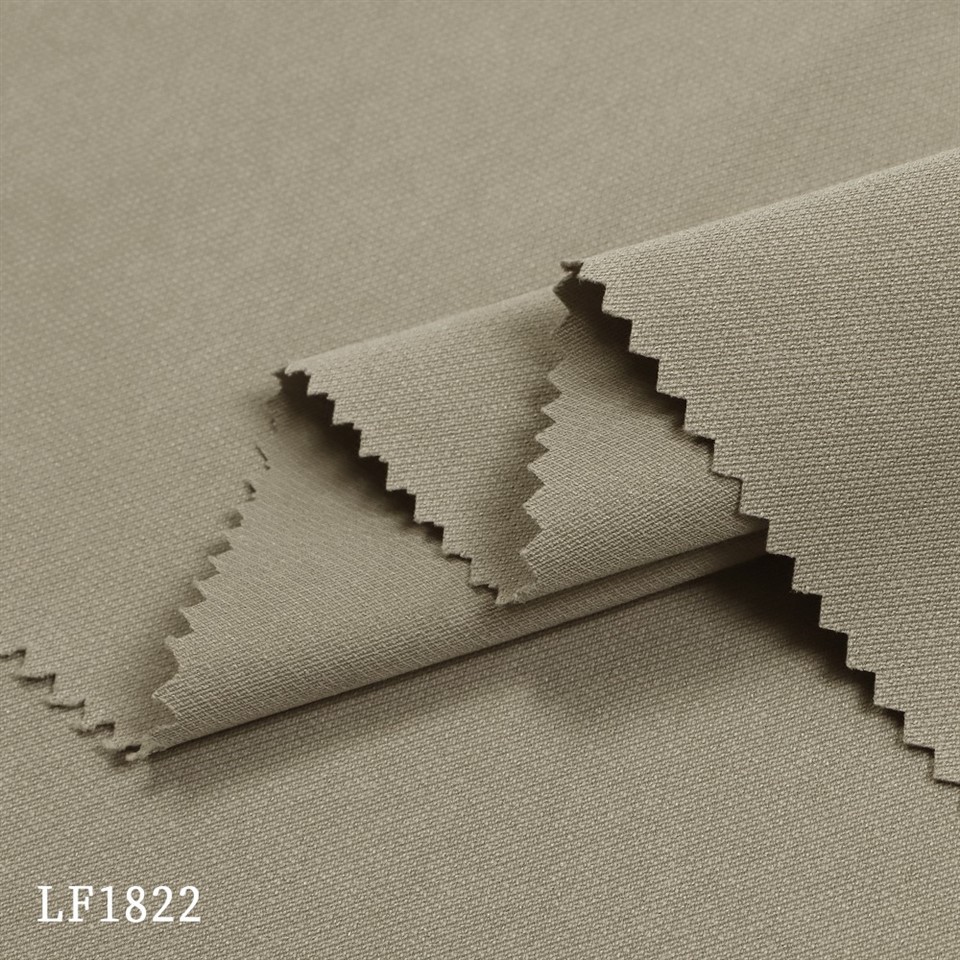
First off, let’s keep the basics super simple for anyone who’s new to this. All woven fabric is made from two sets of threads: the warp (the ones that run up and down the loom, lengthwise) and the weft (the ones that go left to right, crosswise). How those threads cross over and under each other is what makes the weave. Plain weave, for example, is just warp over weft, under warp, over weft, etc.—it’s the most basic, looks like a crisscross, and is totally even both ways. Satin weave is way fewer crosses, so you get a super smooth, shiny surface, like that fancy bed sheet you splurged on once. Twill weaves? They’re all about that diagonal line—you’ll see them on denim, chinos, even those heavy canvas work aprons a lot of us supply. The number thing you always see (like 2/1, 3/1, 4/1) is the float length, basically how many warp threads go over a single weft thread before switching to under. That’s the key to everything here.
Let’s start with 2/1 twill because that’s the super common, everyday twill you’ll find on cheap work pants or basic denim. 2/1 means 2 warp threads go over 1 weft, then under 1 weft, repeat. That gives it a subtle diagonal, right? Super flexible, not too heavy, easy to sew, but here’s the catch—it doesn’t hold up super well to heavy use. If you’re dragging a ladder around a job site or wiping down grease every day, 2/1 twill will pill way faster, thin out in high-wear spots, and the diagonal will get all stretched out after a few washes. Then there’s 4/1 twill, which is way heavier, more like a canvas. That’s for stuff you need to be super tough, like heavy-duty work bags or outdoor covers, but it’s stiffer, way less breathable, and way harder to cut and sew without it stretching all weird.
That’s where 3/1 twill comes in, the star of the show today. Let’s run the math quick: 3 warp threads over 1 weft, then under 1 weft, repeat. Wait, why does that combination matter so much? First, the diagonal on 3/1 is way bolder than 2/1—you can see that sharp, distinct line across the fabric immediately, which is why it’s such a popular pick for upholstery too, designers love that subtle visual texture without being too loud. But more importantly, it hits that perfect middle ground between flexibility and durability that almost no other weave does. Let’s break down the practical stuff that actually matters to anyone using this fabric.
First up, durability. I get more emails from contractors, restaurant owners, and hospitality designers asking for 3/1 twill than any other weave, and for good reason. The float length here—3 warp over 1 weft—means there’s more interlacing than a higher float weave (like 4/1) but way less than a lower one (2/1). That means threads are locked in tighter, so they don’t shift as much when you’re dragging fabric over a saw or wiping a table 100 times a day. I’ve had a customer who runs a chain of auto shops order this fabric for their mechanic coveralls, and they told me after 6 months of daily wear and wash, the cuffs and knee areas still haven’t thinned out like the 2/1 twill they were using before. No pill as much either—those loose little fuzz balls happen when threads rub against each other too much, and the tighter interlace of 3/1 reduces that way more than plain or even 2/1.
Then there’s breathability. Let’s be real, no one wants to wear a fabric that feels like a plastic bag in the summer. 2/1 twill is stretchy and light but it’s too porous, so it lets too much air through and gets cold in winter. Satin weave is smooth but it traps heat, so it’s terrible for workwear. 3/1 twill strikes that balance—tight enough to keep out a light breeze on a job site, but the way the threads are arranged means there’s small gaps between them that let sweat escape. I’ve had line cooks tell me their 3/1 twill aprons don’t leave them soaking wet by the end of a shift like the cotton canvas they used before. That’s a huge win for people who work long hours on their feet.
Wait, let’s talk about how it handles color too, because that’s a big one for customers. Plain weave fabric is super absorbent, so dye can seep unevenly, leading to that faded splotchy look after a few washes. Satin weave only has threads on one side, so dye doesn’t stick as well to the back, leading to that shiny, underdulled underside that shows if anything gets shifted. 3/1 twill? The threads are exposed enough on the surface to hold dye really evenly, but the tight interlace means the color doesn’t wash out as fast. I sell a lot of bulk 3/1 twill for uniforms, and a lot of my clients come back because their uniforms don’t look 10 washes old after a month, unlike the 2/1 twill they got cheaper elsewhere. The bold diagonal line also means any minor fading is way less noticeable than it is on plain weave—one of those tiny things that makes a huge difference for businesses that need their brand to look consistent.
But wait, let’s not act like 3/1 twill is perfect for every use. That’s the thing about fabric weaves—they’re all trade-offs. If you need something super sheer, 3/1 is way too heavy. If you need something that stretches like lycra, it’s not for that. But when you compare it directly to the other most common weaves, those trade-offs land in the sweet spot for 90% of the industrial and everyday use cases I deal with. Let’s test that against plain weave, for example. Plain weave is cheap, super breathable, but it’s way more prone to wrinkles and shifts. I had a customer who ordered plain for their table linens, and they’d come back every week complaining that the linens got all stretched out at the corners after one event. 3/1 twill doesn’t shift nearly as much, holds its shape way better, and the slight diagonal makes wrinkles way less noticeable. That’s a big win for hotels and caterers who need linens to look neat all day without constant ironing.
Another comparison: satin weave. A lot of people use satin for upholstery because it’s smooth, but it’s also super slippery, so it shifts on the furniture, and it’s way more likely to snag if you have pets or kids. 3/1 twill has a textured surface that doesn’t slip, it’s way less prone to snags because the threads are locked in tighter, and that bold diagonal adds a subtle design element that makes furniture look more high-end without being gaudy. I recently worked with an interior designer who used 3/1 twill for a bunch of residential sofas, and she told me her clients loved that it wasn’t too shiny, wasn’t too rough, and held up when their kids spilled juice or dragged toys across it.
Wait, let’s get into something less obvious: how it sews. As a supplier, I hear so many people complain about fabric that’s a nightmare to cut and sew. 2/1 twill is super stretchy, so it can shift when you’re cutting it, leading to crooked seams. 4/1 twill is so stiff it’s almost impossible to sew without special heavy-duty machines. 3/1 twill? It’s stable enough to cut straight, but still flexible enough to handle with a regular sewing machine. That’s why I get so many small business owners—like custom uniform makers or bag designers—coming back to me for this stuff. They don’t have access to industrial machines, and they need fabric that’s easy to work with but doesn’t fall apart after a month.
I should also mention something about variations, because no two 3/1 twill fabrics are the same. Wait, right, there’s also 1/3 twill, which is just the reverse—so instead of warp threads over weft, it’s weft over warp. That gives the same diagonal, just on the other side, but it doesn’t change the durability or performance nearly as much as the float length does. A lot of people mix those up, but at the end of the day, the core thing that makes 3/1 twill different is that 3:1 ratio of warp to weft floats. It’s not just a random number— that ratio is what creates that perfect balance of strength, flexibility, and texture.
Let me share a quick real story to drive this home. A few years back, a local construction company came to me frustrated because they’d been buying the cheapest 2/1 twill coveralls they could find, and every other week they’d have to replace a pair because a knee would thin out or a seam would rip. They tried 4/1, but the guys complained they were too hot and stiff to bend over easily. I suggested they test a roll of 3/1 twill for a month. A month later, they ordered 200 yards of it. The owner told me the coveralls held up way better, the guys didn’t complain about being too hot, and even the diagonal made them look a little more professional than the plain 2/1 stuff they had before. That’s the whole point of 3/1 twill— it solves the problems that the other weaves have, without the downsides of being too heavy, too flimsy, or too hard to work with.
Now, let’s cut to the part that matters if you’re reading this and thinking “hey, I need this fabric for my business or project.” If you’re weighing 3/1 twill against the other common weaves, here’s the quick cheat sheet to remember:
- If you need super light, cheap stuff for a one-time craft project? Plain weave works.
- If you need heavy, ultra-tough stuff for outdoor covers or heavy-duty bags? 4/1 twill is your pick.
- If you need something that’s durable, breathable, easy to work with, and holds up to daily wear? That’s 3/1 twill.
I’ve been in this game long enough that I can tell you most people who come to me for fabric don’t want to overcomplicate it—they want something that does what it says it will, no surprises. 3/1 twill isn’t the most flashy weave, but it’s the workhorse of the fabric world, and that’s why it’s such a staple for uniforms, workwear, upholstery, linens, and so much more.
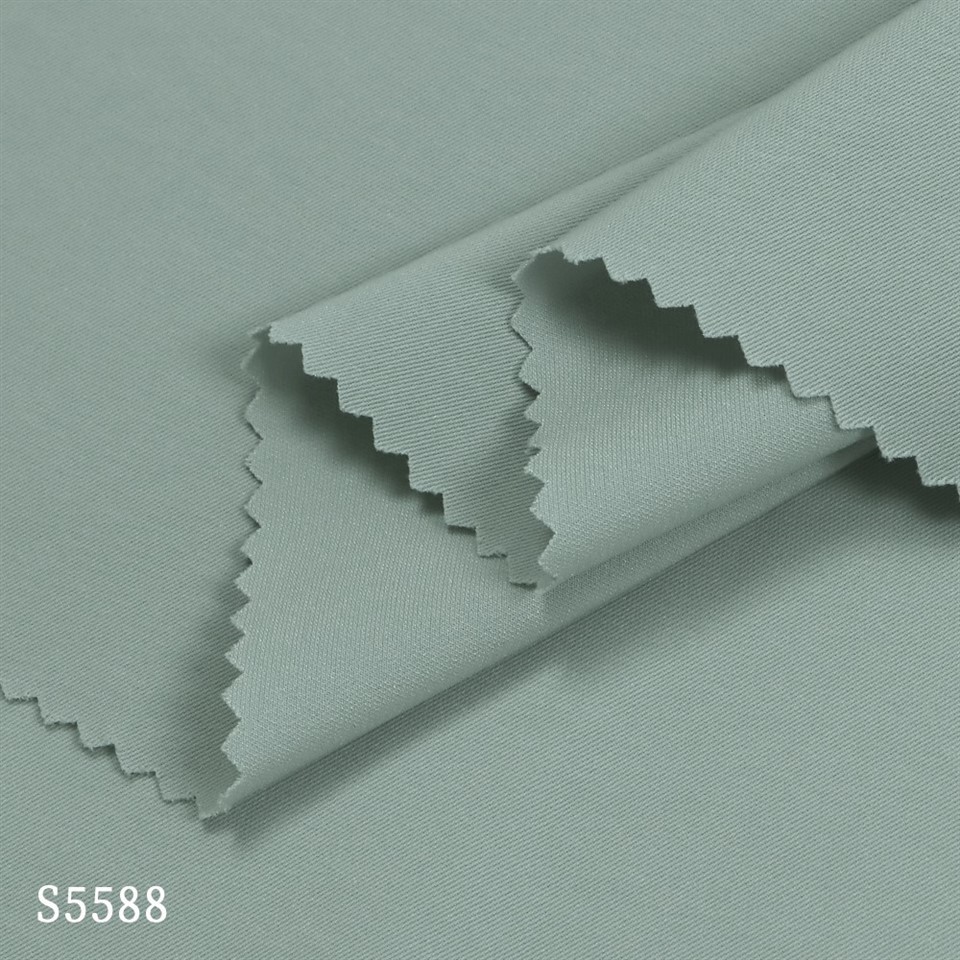
If you’re looking for high-quality 3/1 twill weave fabric for your next project, whether that’s for a line of uniforms, upholstery for a hotel, custom bags, or anything else, I’d be happy to send you samples, walk you through weights and finishes, or answer any questions you have. No sales pressure, just straight talk from someone who’s been supplying this fabric for years and knows it inside and out.
Cavalry Twill References:
- Collier, B. (2007). Textile Science (6th ed.). Fairchild Books.
- Kadolph, S. J., & Langford, A. L. (2019). Textiles (13th ed.). Pearson.
- The Textile Institute. (2015). Fabric Weaves: A Practical Guide. Textile Institute.
Shaoxing Huichao Textile Co., Ltd.
As one of the most professional 3 1 twill weave manufacturers and suppliers in China, we offer a wide range of products with superior quality. We warmly welcome you to wholesale bulk 3 1 twill weave in stock here from our factory. If you have any enquiry about cooperation, please feel free to email us.
Address: Shenyue International Build ing, Unit 1603-1605, Keqiao District, Shaoxing City, Zhejiang Province, China
E-mail: darrenzhong@huichaotextile.com
WebSite: https://www.huichaotextile.com/
