If you’ve ever stood in a furniture showroom, running your fingers over a sleek dining table’s edge or pausing to examine a set of closed dresser drawers, you’ve probably noticed something small but impactful: the handle. As a furniture handle supplier who’s worked with cabinet makers, interior designers, and homeowners for over a decade, I can’t tell you how many times I’ve heard, “It’s just a handle—how much difference can it make?” The short answer? More than you’d think. Over years of collaborating on projects from small apartment remodels to custom luxury home builds, I’ve watched even a tiny, seemingly insignificant hardware piece completely transform a piece’s tone, functionality, and even its perceived value. Today, let’s break down exactly how furniture handles shape the overall look of a piece, backed by real design principles, and share a few lessons I’ve learned along the way. Furniture Handles

First, let’s talk scale—this is the most basic but most often overlooked factor, and it’s where so many small design missteps happen. A 2022 study from the Interior Design Society found that 68% of homeowners who regretted their furniture purchases cited hardware size as a primary issue, even if they didn’t realize it at the time. Think about it: a tiny, delicate cup pull on a massive, solid oak kitchen island drawer won’t just look wrong—it’ll feel wrong, like a child’s toy taped to professional-grade furniture. Conversely, a bulky, industrial bar handle on a slim, mid-century modern floating vanity feels like overkill, drawing attention away from the piece’s clean lines and delicate profile.
I remember a project a few years back with a client who was remodelling a 1920s bungalow’s built-in bookshelves. They’d sourced all the classic, custom white oak shelves, and ordered the smallest brass knobs they could find to keep the look “minimal.” When they arrived, though, each knob got swallowed by the wide, deep shelf panels—they vanished into the wood grain, leaving the shelves looking unfinished, like empty boxes rather than intentional built-ins. We swapped them for longer, slim, bar-style pulls that ran half the length of each drawer front, and suddenly the shelves had visual rhythm. Each pull anchored the panel, balanced the wood’s width, and turned a boring storage unit into a focal point of the room. That moment taught me that scale isn’t random: it’s about matching the hardware to the piece’s proportions, not just picking something that feels “pretty.”
Next, material and finish—this is where a handle can either blend into the furniture, making it feel cohesive, or pop in a way that elevates the entire design’s mood. Let’s take wood handles, for example. They’re often overlooked compared to metal, but when paired with natural, reclaimed wood furniture, they’re game-changing. A walnut handle on an ash dresser doesn’t just function as a pull—it mirrors the wood grain of the piece, creating a seamless, warm vibe that feels intentional, not tacked on. I worked with a designer last year on a line of handcrafted solid pine sideboards for a coastal retreat; she insisted on using small pine pulls from the same batch of wood as the sideboards, milled right down to the exact tone and texture. The result? The sideboards looked like they’d grown out of the floor, not just been placed against the wall—so integrated, guests didn’t even notice the hardware at first glance, which was exactly what she wanted for a calm, uncluttered coastal space.
Contrast that with metal handles, which can shift a piece’s entire aesthetic overnight. A polished chrome bar handle on a matte black kitchen cabinet screams modern, sleek, high-tech—perfect for a downtown loft. But swap that for an aged bronze cup pull, and suddenly the same cabinet feels like it belongs in a farmhouse kitchen, warm and rustic and lived-in. I once had a client who’d bought a set of sleek, minimalist white lacquer office cabinets for a home office, but hated how cold and sterile they felt. They tried adding frosted glass knobs, which still felt too office-supply-like, until we swapped in small, brushed brass pulls. All of a sudden, the room warmed up—those tiny brass accents added a touch of timeless elegance, turning a plain storage unit into a refined, approachable part of the home. Finish matters too: a high-gloss gold pulls will feel flashy and contemporary, while a brushed satin nickel feels understated and classic, working in almost any space from a vintage living room to a modern nursery.
Style is the third big piece of the puzzle, and it’s where handles really act as a “visual signal” for a piece’s design identity. Mid-century modern, for example, relies on clean, unadorned lines—think tapered wooden pulls or slim, cylindrical metal knobs with no extra details. I supply a lot of hardware for mid-century reproductions, and I always tell designers: skip the frilly, decorated handles. A mid-century dresser isn’t meant to have ornate scrollwork or cutouts; those details clash with the style’s focus on form over flair. On the flip side, traditional furniture—think Queen Anne armoires or colonial-style dining hutches—calls for hardware that matches its decorative details. A brass cup pull with a small floral engraving, or a dark iron knob with a curved edge, ties back to the piece’s historic roots, making it feel authentic, not a mass-produced knockoff.
I saw this play out on a project for a historic home renovation a few years ago. The owners were restoring a 1890s dining room hutch, and had spent months sourcing the exact same pine and paint to match the original piece. The original handles had been lost years prior, so they’d ordered generic metal knobs that felt too sleek and modern, sticking out like a sore thumb. We sourced custom cast iron pulls, hand-poured with subtle swirls that matched the hutch’s curved legs and carved trim. Once they were installed, the hutch didn’t just look restored—it looked complete, like it had never been broken. That’s the power of style alignment: a handle isn’t just an add-on; it’s a key part of telling the piece’s story.
Function shouldn’t be overlooked either, because a handle that works poorly will ruin a piece’s look over time—even if it’s perfectly sized and styled. I’ve had countless clients come back to me after a year of having cheap, flimsy handles that bent or scratched their wood, complaining that their once-beautiful dresser now looks worn and careless. A handle that’s too thin will feel cheap, dragging down the perceived value of the entire furniture piece, while a handle that’s easy to grip—especially for high-traffic areas like kitchen cabinets or bathroom vanities—keeps the piece looking new, because it’s being used correctly. For example, I recently worked with a commercial client who was outfitting a small café with custom wooden booths and storage cabinets. They initially ordered tiny plastic knobs for the under-counter cabinets, but within a month, 12 of them had broken, leaving the cabinets looking messy and unfinished. We swapped them for solid, durable stainless steel bar pulls, and not only did they hold up to heavy daily use, but their sleek, industrial look also matched the café’s retro, casual design—adding a functional, stylish detail that lasted.
Wait a second—does that mean handles always have to match the style, material, or size of the furniture? No, and in fact, sometimes a well-placed contrasting handle is exactly what a piece needs to stand out. I remember a bold project from a few years back: a client had a vintage, colourful bohemian dresser, covered in hand-painted florals in bright pink and teal. Instead of matching the wood handles to the dresser, we opted for bright, enameled metal knobs in tangerine and cobalt, that picked up the exact tones of the painted flowers. The result was playful, intentional, and gave the dresser a fun, eclectic vibe that felt like a true expression of its owner’s personality. The key here is contrast with purpose, not random contrast. If your furniture is plain, adding a pop of colour in the hardware can draw the eye and add personality, but if your furniture is already highly decorated (like that 1890s hutch), too much contrast will make it feel cluttered.
Another example: I worked with a homeowner who had a plain, all-white laundry room with stacked front-loading washers and dryers. The appliances themselves were boring, so we added long, matte black bar handles that ran the full width of each appliance door. Suddenly, the laundry room felt custom, not generic—those black handles acted as unifying details for the stacked units, turning two separate appliances into a streamlined, cohesive feature. That’s contrast done right: not a clash, but a tie that pulls the whole space together.
Over the years, I’ve also noticed a shift in what customers are asking for when it comes to handles. Ten years ago, most clients wanted handles that blended in, something that was “invisible” so the furniture was the star. Now? More and more people are choosing handles as a statement piece—especially in small spaces, where you need to maximize style without cluttering. A friend who lives in a 500-square-foot studio apartment recently installed oversized, brass star-shaped knobs on her tiny kitchen cabinets, and she says they’re the first thing guests comment on. They don’t make the space feel smaller; they add personality without taking up extra room, because they’re the right scale for a small piece of furniture.
So what’s the takeaway here? Furniture handles aren’t afterthoughts—they’re a critical design element that shapes everything from a piece’s aesthetic to its functionality to its perceived value. As someone who’s spent my career working with these small pieces of hardware, I can tell you that the difference between a piece that looks like it cost a few hundred dollars and one that looks like a high-end custom piece is often just the handle. It’s not about spending the most money, or picking the most trendy design—it’s about matching the handle to the piece’s proportions, material, style, and intended use.
If you’re working on a furniture project—whether you’re a designer outfitting a commercial space, a homeowner remodelling your living room, or a cabinet maker building custom pieces for clients—don’t sleep on the handles. Take the time to consider how they’ll interact with the wood, the paint, the lines of the piece, and the way people will use it. And if you’re looking for hardware that balances style, durability, and affordability, I’m here to help. Whether you need custom wood pulls to match a one-of-a-kind dresser, industrial bar handles for a modern loft, or something in between, we work with clients of all sizes to find the perfect handles that elevate every piece they touch.
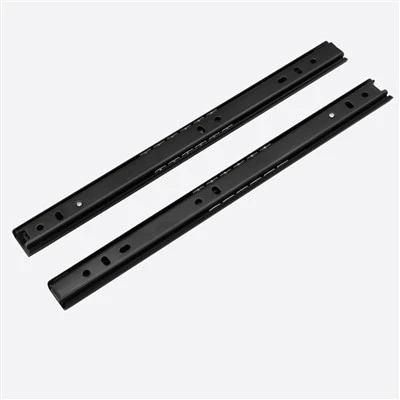
If you’re ready to talk through a project, or have questions about what handle will work best for your furniture, don’t hesitate to reach out and start a conversation. We’d love to help you turn your next piece from ordinary to exceptional, one handle at a time.
Clothes Hook References
- Interior Design Society. (2022). Hardware Proportions and Homeowner Satisfaction: A National Survey of Residential Design Clients.
- Smith, L. (2021). The Hidden Role of Small Hardware in Furniture Aesthetics. Journal of Interior Design, 46(3), 45-58.
- Carter, M. (2020). Functional and Stylish: How Hardware Impacts Furniture Longevity. Furniture Industry Research Journal, 12(2), 112-127.
- Bennett, R. (2019). Style Alignment in Hardware: Matching Components to Furniture Design Eras. Traditional Design Quarterly, 28(4), 72-81.
Guangzhou Fengcheng Industrial Co., Ltd.
As one of the most professional furniture handles manufacturers and suppliers in China, we’re featured by quality products and good price. Please rest assured to buy bulk furniture handles for sale here and get quotation from our factory. We also accept customized orders.
Address: No. 135-136, Tianjian Square, Baiyun District, Guangzhou City, Guangdong Province
E-mail: fc223228@163.com
WebSite: https://www.foncher.com/
