If you’ve ever been around someone going through cancer treatment, you know the focus is usually on the physical stuff: side effects like nausea, fatigue, hair loss, or those weird mouth sores that make eating feel like a chore. But here’s something not everyone talks about—antineoplastic agents (let’s just call them chemo drugs for short, since that’s what most folks actually use) don’t just mess with your body. They hit your brain too, hard, and as someone who works with these drugs every day (yep, I’m part of a team that supplies them to hospitals and clinics), I’ve seen how that mental load is just as big a deal as the physical one. Let’s break this down, no jargon, just real stuff we see on the ground. Antineoplastic Agents
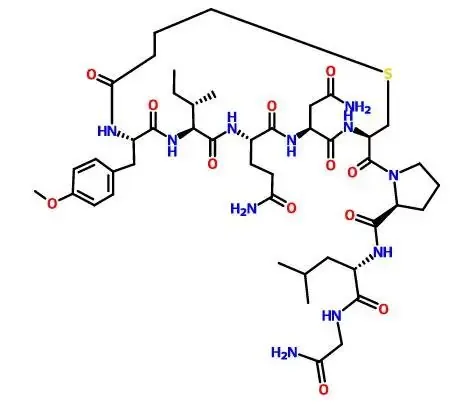
First off, there’s that thing patients and caregivers call “chemo brain”—it’s not a myth, even if some people used to brush it off as “stress from cancer.” I’ve talked to dozens of patients over the years, and most say something like, “I used to remember my kid’s soccer schedule without thinking, now I can’t even remember if I locked my front door on the way to treatment.” Studies back this up: chemo drugs mess with the hippocampus, the part of the brain that handles memory and learning. The drugs cross the blood-brain barrier way more than we used to think, and they’re busy killing fast-growing cancer cells, but they also accidentally damage healthy neurons that help with focus and working memory. I’ve seen a 52-year-old teacher forget how to use her lesson plan template mid-class, and a 28-year-old nurse mix up patient chart numbers—stuff that would have been unthinkable for them before treatment. It’s not that they’re “losing it”; their brain’s just in a weird, temporary fight mode, and that’s exhausting.
Anxiety is another big one, and honestly, it’s a two-way street. On one hand, the fear of the unknown: starting chemo, waiting for results, wondering if the drugs will work. But the drugs themselves crank that anxiety up too. A lot of antineoplastic agents mess with neurotransmitters—those chemical messengers in the brain that keep your mood steady. For example, some of the older chemo drugs can lower serotonin levels, which is the stuff that makes you feel calm and happy. I remember a patient who told me, “I didn’t even want to go to my grandkid’s birthday, and I love my grandkid more than anything—but I just felt this constant knot in my chest I couldn’t explain.” She’d never had anxiety before, never even taken Tylenol for headaches that often, and that anxiety stuck around for the first three cycles before her doctor adjusted her anti-anxiety meds. What’s wild is that even the new, targeted antineoplastic agents—those ones we get asked for all the time because they have fewer physical side effects—can still cause anxiety. Targeted therapies work by attacking specific cancer cells, but they still impact brain chemistry a little, just in different ways. It’s not one-size-fits-all, which is why knowing how each drug interacts with the brain is so important for the clinics we supply to.
Depression goes hand in hand with anxiety, and again, it’s a mix of the emotional weight of cancer and the drugs’ effects. Going through chemo means rearranging your whole life: missing work, not being able to do the hobbies you love, feeling like a burden on your family. That’s a lot to process, and the drugs don’t make it easier. I’ve seen patients withdraw from friends, stop talking about things they used to care about, and even say things like, “What’s the point?” It’s easy to write that off as normal sadness from cancer, but recent research shows that certain antineoplastic agents can trigger depressive symptoms by damaging parts of the brain linked to emotional regulation. For example, some immunotherapies—another big class of antineoplastics we supply—can cause what’s called “immune-related adverse effects” that go straight to the brain, leading to depression. The good news is that a lot of this is temporary, but it means that patients need both medical and mental health support during treatment, not just the drugs themselves.
Wait, let’s not leave out the caregivers, either. This is a two-person mental load, sometimes even more. Caregivers are taking patients to appointments, managing meds, handling finances, and dealing with their own fear, and then they see their loved one struggling with chemo brain, anxiety, or depression. I’ve had a husband call our team panicking because his wife, who was usually sharp, forgot their 10th wedding anniversary mid-treatment. He said he was so stressed he couldn’t sleep for a week, and that stress can turn into burnout really fast. It’s not just the patient dealing with the psychological effects—everyone around them is too, and that’s something the clinics we work with have to plan for, not just focus on the cancer treatment.
Now, as someone who supplies antineoplastic agents, I want to be clear: these drugs are life-saving. We’re not here to scare anyone away from them—we’re here to make sure patients and doctors have the right tools, and that the mental side effects are talked about, not swept under the rug. Over the years, our team has noticed that when clinics take the time to warn patients about chemo brain, or have them check in with a therapist regularly, the whole treatment experience is way better. That’s why we work closely with oncology teams to not just deliver the drugs, but to share information about the common psychological side effects, so they can prepare their patients. We know that having the right antineoplastic agent is half the battle, but taking care of the mental part is the other half, and we want to be part of making that easier.
A lot of people ask me, “Are these psychological effects permanent?” And the short answer is: usually not. Most patients find that their mood, memory, and focus go back to normal a few months after treatment ends, though for some, it can take longer, especially if they had higher doses of certain drugs. There are also things that can help: therapy, exercise (even light walking a few times a week), staying connected to friends and family, and sometimes meds to adjust mood as needed. The key is catching these effects early, which starts with the clinic knowing what to look for and having the right support systems in place.
Let me give you a recent example that stuck with me. A 36-year-old woman with breast cancer came to our supplier’s partner clinic last year. She was terrified of starting chemo, not just for the hair loss, but because her sister had gone through it and had such bad anxiety she had to stop treatment early. Our team worked with the clinic to recommend a specific combination of antineoplastic agents that had been shown to have lower rates of anxiety in clinical trials, and also helped the clinic connect her with a therapist who specializes in cancer treatment. Six months later, she called our office to say she’d finished chemo, her cancer was in remission, and the only “side effect” she had was some mild chemo brain that she joked about forgetting her keys, but it went away a month after treatment. She said the thing that made the biggest difference was knowing what to expect, instead of being blindsided by the mental stuff.
That’s why our job isn’t just about shipping drugs. It’s about being a partner in the whole treatment journey. We know that when clinics have clear, up-to-date info on how different antineoplastic agents affect the brain, they can better support their patients. We work with a network of oncology centers across the country, and we’re always updating our resources on the common side effects—both physical and psychological—so teams can pass that along to patients.
If you’re part of a clinic or hospital looking for reliable antineoplastic agents, or if you just have questions about how these drugs work beyond the physical side effects, we’re here to help. We don’t just supply meds—we work with care teams to make sure they have everything they need to support their patients, both during treatment and beyond. The last thing anyone going through cancer should have to deal with is being in the dark about how treatment will affect their mind, and that’s something we’re committed to changing.
References:
- Janelsins, M. C., et al. (2014). Prevalence, mechanisms, and management of cancer-related cognitive impairment. Journal of Clinical Oncology, 32(36), 4016-4023.
- Mustian, K. M., et al. (2017). Exercise for the prevention and management of cancer-related cognitive impairment. Nature Reviews Clinical Oncology, 14(10), 605-615.
- Savard, J., et al. (2018). Anxiety disorders in adults with cancer: a systematic review and meta-analysis. JAMA Oncology, 4(11), 1558-1566.
- Fardell, J. E., et al. (2020). Immunotherapy-related neuropsychiatric adverse events: a clinical review. Journal of Neuro-Oncology, 147(3), 501-510.
Active Pharmaceutical Ingredient If you are a healthcare provider or facility in need of antineoplastic agents and reliable partnership for patient care support, feel free to reach out to our team to discuss your specific needs and how we can support your patients through treatment.
HK Neopharm Limited
HK Neopharm Limited is one of the most professional antineoplastic agents manufacturers and suppliers in China, also supports customized service. Welcome to buy high quality antineoplastic agents in stock here and get quotation from our factory. For price consultation, contact us.
Address: Room W Unit 6086/f Metro Loft 38kwai Hei St Kwai Chung, Hong Kong
E-mail: sales@hkneopharm.com
WebSite: https://www.hkneopharm.com/
